Expert Guidance for the Journey to Recovery

Evidence-based insights from our licensed clinicians, covering addiction, mental health, and long-term healing — written to help you and your loved ones navigate every step.
The Most Common Types of Addiction Impacting Veterans (3)

The Most Common Types of Addiction Impacting Veterans

Veterans often face addiction tied to PTSD, depression, and trauma. From alcohol and nicotine to prescription drugs and behavioral addictions, tailored treatment is key to....
seizures caused from alcoholism

Can Alcoholism Cause Seizures?

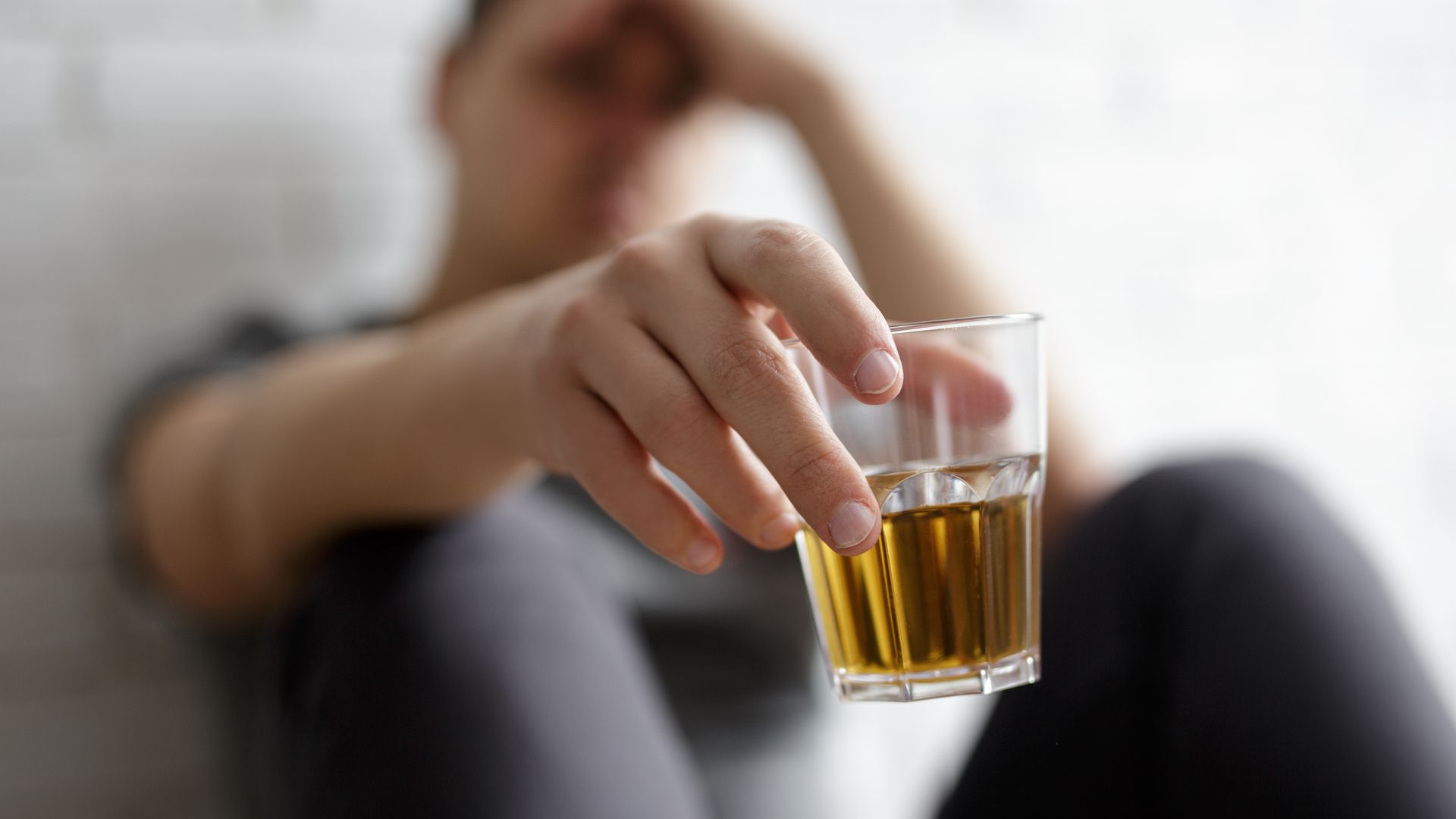
Alcohol-related seizures are a serious risk tied to heavy drinking and withdrawal. Understanding the link between alcoholism, brain activity, and seizure risk is crucial for....
What Are Substance Abuse Treatment Modalities

What Are Substance Abuse Treatment Modalities?

Substance abuse and addiction are complex conditions that affect millions of people worldwide. They often lead to devastating consequences, not only for those struggling with....

What Makes PHP Different From Inpatient Treatment

What Makes PHP Different From Inpatient Treatment

Here’s a concise excerpt under 250 characters: Learn the key differences between PHP and inpatient addiction treatment—from intensity and cost to flexibility and therapy approach—to....
Do You Really Need a Sponsor in AA?

Do You Really Need a Sponsor in AA?

A sponsor in AA offers crucial support, guidance, and accountability in the recovery journey. This article explores the role, benefits, challenges, and importance of having....
What You Need to Know About Alcohol-Induced Brain Fog

What You Need to Know About Alcohol-Induced Brain Fog

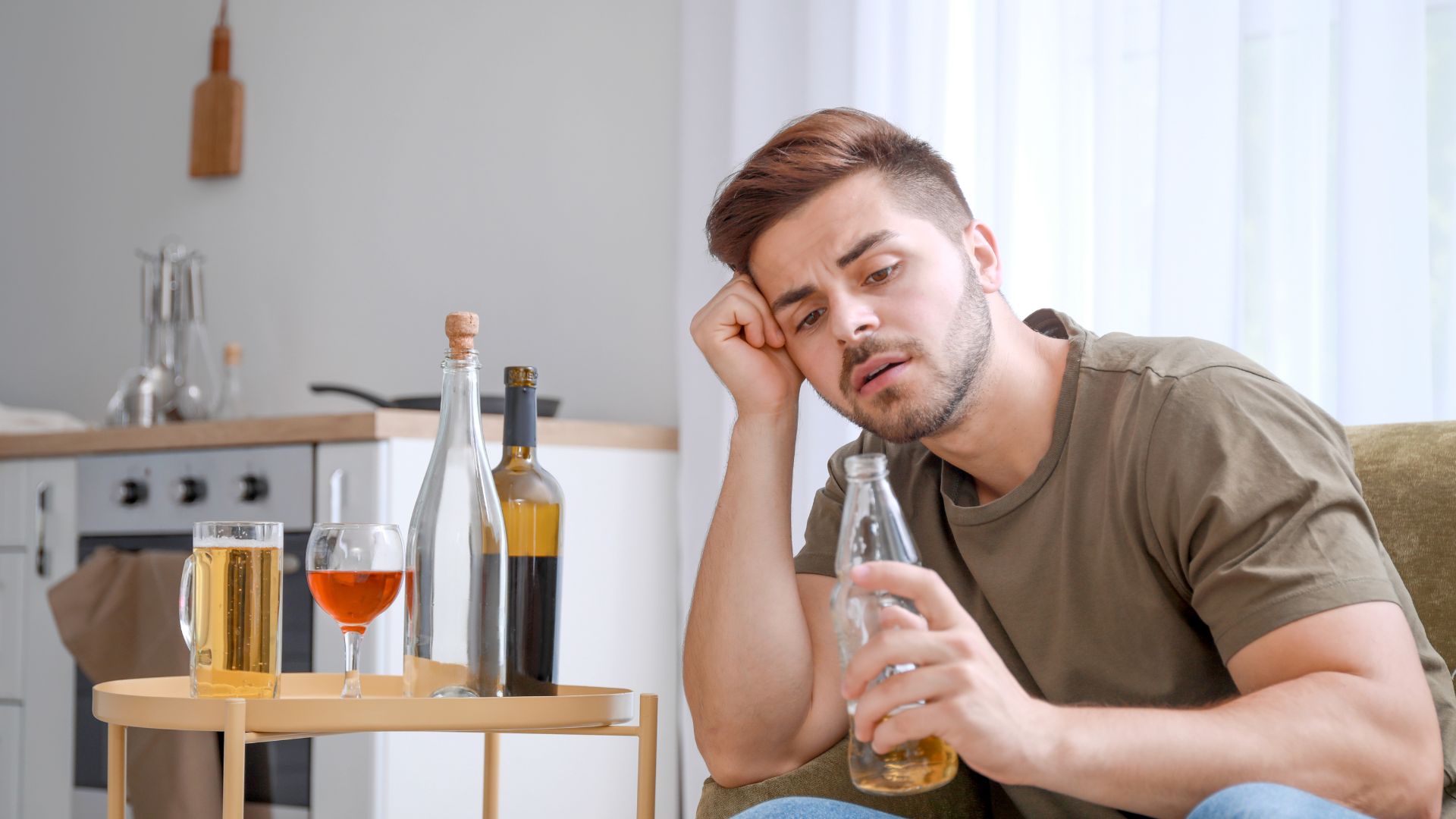
Alcohol-induced brain fog, marked by memory lapses and reduced mental clarity, disrupts daily life for both occasional and chronic drinkers. This article explores its causes,....

Daily Practices That Support Lasting Recovery

🧠

Mindful Awareness

Even 10 minutes of daily mindfulness can significantly reduce craving intensity and emotional reactivity during early recovery.

🏃

Physical Movement

Exercise stimulates dopamine pathways naturally suppressed by substance use, accelerating neurological recovery and mood stabilization.

🤝

Peer Connection

Regular engagement with recovery communities in person or virtual is one of the strongest predictors of sustained sobriety after treatment.

📋

Structure & Routine

A consistent daily schedule reduces decision fatigue and exposure to unstructured time a primary trigger for relapse in early recovery.

Ready to Take the First Step?

Confidential. Same-day admissions available.