
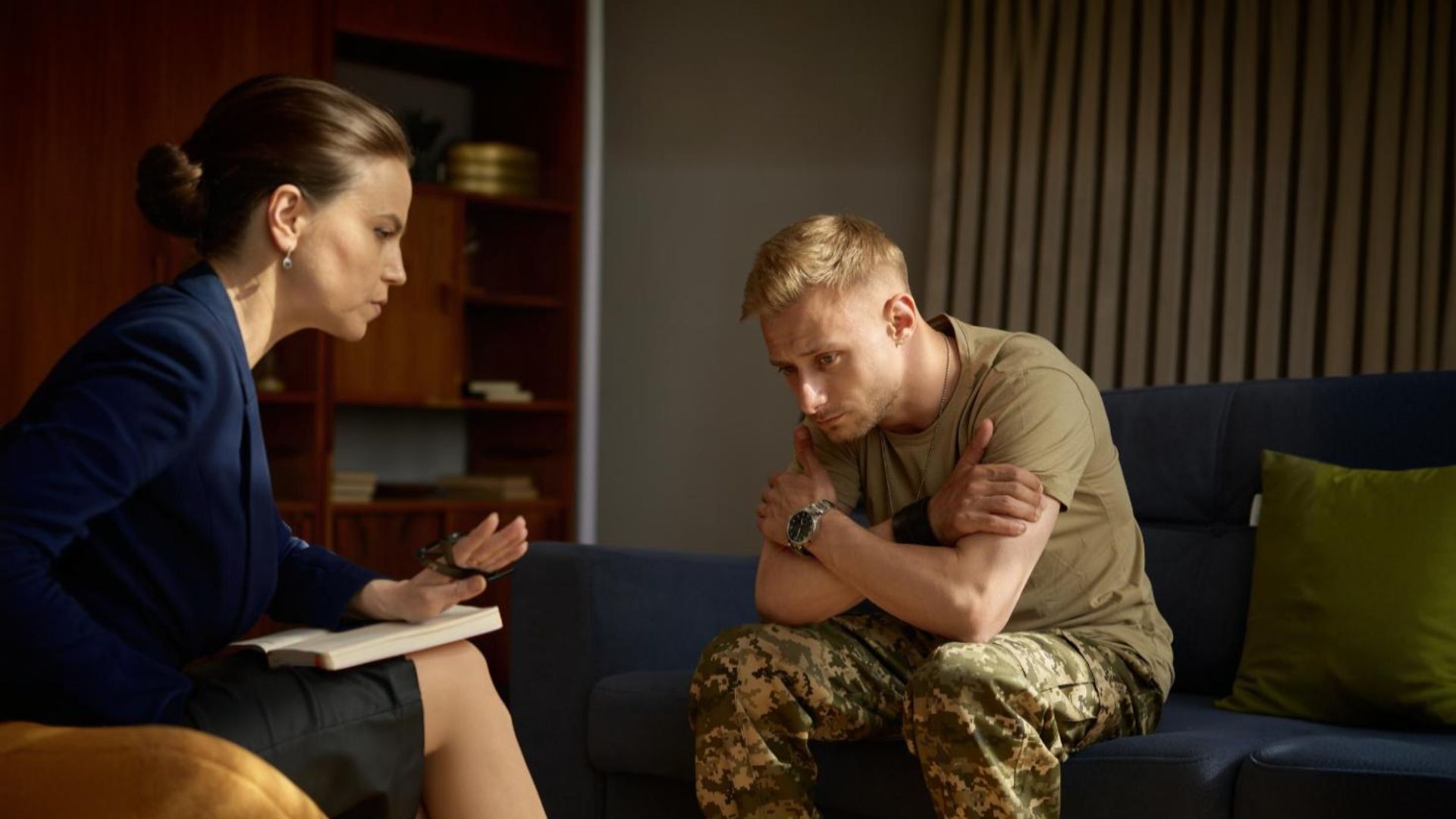
Transitioning from military to civilian life presents numerous challenges for many veterans, with addiction being one of the most severe risks they face. These addiction patterns frequently intertwine with mental health conditions such as post-traumatic stress disorder (PTSD), depression, and anxiety, which are common among the veteran population.
To develop effective prevention and treatment approaches that cater to veterans’ unique experiences and requirements, it is essential to comprehend the most prevalent types of addiction affecting them.
Alcohol Use Disorder (AUD)
Approximately 4 in 5 veterans grapple with alcohol abuse, a rate significantly higher than the general population.
Binge drinking is a common behavior, with about 20% of service members engaging in this practice at least once a week, often continuing into civilian life. Studies indicate that more than 80% of veterans with a substance use disorder abuse alcohol, and alcohol is the primary substance for 65% of veterans entering addiction treatment, nearly twice the rate seen in civilians.
The causes of this problem are multifaceted: the culture of the armed forces frequently accepts excessive alcohol consumption as a way to build bonds and manage stress, and a significant number of former service members use drinking as a coping mechanism for dealing with traumatic experiences, psychological issues such as post-traumatic stress disorder, and the challenges of transitioning back into civilian society.
Long-term alcohol abuse can lead to severe health issues, including liver damage and heart complications. Read more about our addiction treatment programs for veterans in Iowa.
Tobacco and Nicotine Addiction
Tobacco and nicotine addiction pose a significant challenge for veterans, with smoking rates approximately 30% higher than those of the general population. This addiction leads to various health issues, including respiratory diseases, cardiovascular problems, and increased cancer risk.
Many veterans use tobacco as a coping mechanism for stress and anxiety related to their military service, perpetuating a cycle of dependence. The Department of Veterans Affairs offers tailored cessation programs to support veterans in their efforts to recover.
Despite these initiatives, only about 10% of veterans who attempt to quit successfully remain abstinent, underscoring the need for effective treatment strategies.
Prescription Drug Abuse
The unique stressors veterans face, such as combat and trauma, contribute to the high prevalence of mental health disorders like PTSD, anxiety, and depression.
Many veterans receive medications with high addiction potential, including opioids for pain management and benzodiazepines for anxiety. The transition from legitimate use to full-blown addiction is common, often resulting from chronic pain and mental health treatment needs.
Prescription drug abuse significantly complicates recovery from mental health disorders, creating a complex interplay that requires specialized treatment programs addressing both addiction and underlying mental health issues concurrently.
Illicit Drug Use
Marijuana is the second most abused substance, at 12.8% of veterans, while 233,000 veterans reportedly abuse cocaine for its energizing effects to cope with daily challenges.
Methamphetamine, the fifth most abused substance, attracts 109,000 veteran users due to its affordability and long-lasting stimulation.
Veterans may turn to illicit drugs as cheaper alternatives to prescription medications for pain and PTSD.
However, substance misuse carries risks of legal consequences, including dishonorable discharge from military service.
Stigma surrounding illicit drug use can prevent veterans from seeking help, further complicating the challenges they face in overcoming addiction and maintaining their overall well-being.
Cannabis Use Disorder
While marijuana is legal in some states, it can lead to addiction and exacerbate mental health concerns, particularly for those with pre-existing conditions.
High THC levels in modern cannabis can worsen anxiety and depression, which are prevalent among veterans. The stigma surrounding marijuana use may prevent veterans from seeking help for cannabis use disorder, complicating their recovery from co-occurring mental health issues.
Treating this disorder in veterans requires tailored approaches that address both substance use and underlying mental health problems, emphasizing the importance of comprehensive care.

Behavioral Addictions
Gambling disorder stands out as particularly prevalent, with studies showing that veterans experience problem gambling at rates significantly higher than the general population—lifetime prevalence estimates range from 2% to over 10%, and younger, male, and unemployed veterans are at even higher risk.
Compulsive sexual behavior, including problematic pornography use and frequent casual sexual encounters, is also more common among veterans than non-veterans, often co-occurring with PTSD and other mental health conditions.
Binge eating disorder and compulsive buying or shopping are additional concerns, as veterans may use these behaviors to cope with stress, trauma, or emotional distress.
Excessive internet use, including online gaming and social media, can also become addictive, providing a virtual escape from real-world challenges.
Treatment and Recovery Resources for Veterans
Veterans facing addiction in the aftermath of combat exposure and abuse in the military have access to a wide range of addiction treatment and recovery resources tailored to their unique needs.
Treatment options for alcohol and drug abuse include medically managed detox, inpatient and outpatient rehab programs, medication-assisted treatment, and evidence-based therapies such as cognitive behavioral therapy and EMDR, all designed to address both substance use and co-occurring mental health issues like PTSD.
Many programs offer specialized care for veterans with PTSD symptoms, recognizing the strong link between trauma and addiction in veterans, and provide individualized treatment plans that consider the complexities of addiction in veterans who struggle with addiction after military service.
The Department of Veterans Affairs (VA) and veteran-specific rehab centers also offer ongoing support through aftercare, peer groups, and family counseling, ensuring that veterans have the resources and community needed for long-term recovery.
Final Thoughts from Radix Recovery
Military personnel often face intense stress, trauma, and physical injuries, which can lead to struggles with drug and alcohol use as a way to cope with these experiences. Unfortunately, the stigma around seeking help and the complexities of mental health issues like PTSD can make it even harder for veterans to access the support they need. In Cedar Rapids, Iowa, specialized substance abuse treatment programs, like the Intensive Outpatient Program (IOP) we offer at Radix Recovery, are designed to address these unique challenges by offering comprehensive mental health services and evidence-based care.