
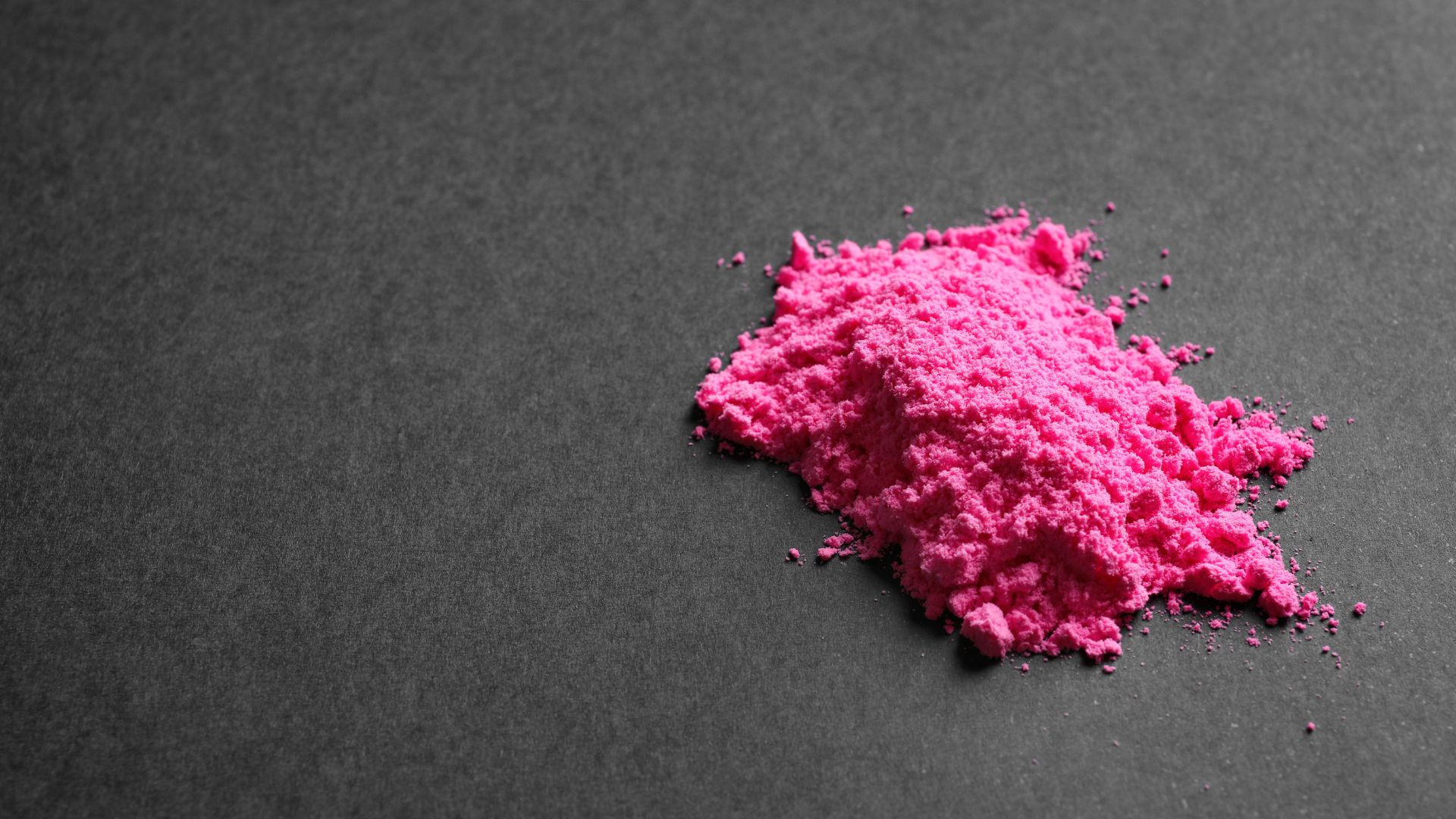
Pink cocaine, often referred to as “tusi,” is a synthetic, illegal party drug that has gained popularity in the U.S., Latin America, and the global club scene. Despite its name, pink cocaine rarely contains cocaine and instead is a mixture dyed pink to market it as a designer drug.
Understanding what pink cocaine is made of helps users, families, and professionals recognize its dangers, health risks, and the high potential for overdose associated with pink cocaine.
Pink Cocaine: Ingredients and Composition
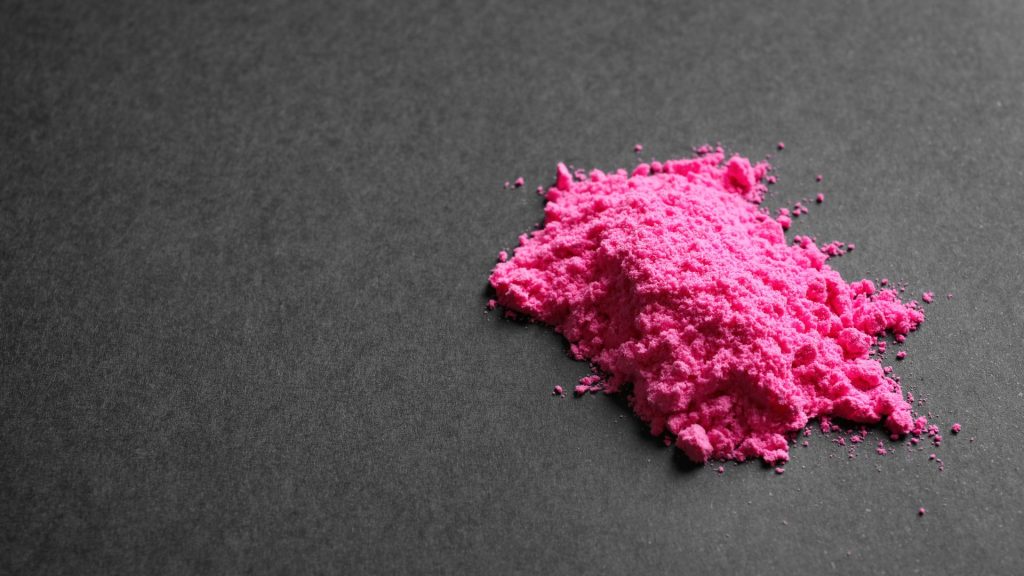
Pink cocaine is a powdered mixture made up of specific synthetic drugs and additives that give it its bright pink color while producing stimulant and hallucinogenic effects. Despite the name, it rarely contains traditional cocaine. Instead, it is typically a mixture of drugs, including:
- Ketamine: Dissociative anesthetic causing numbness and hallucinations.
- MDMA (Ecstasy): Synthetic stimulant creating euphoria and energy.
- Methamphetamine: Stimulant increasing alertness and heart rate, with a high addiction risk.
- 2C-B: Psychedelic compound with hallucinogenic and stimulant properties.
- Pink Powder Food Coloring: Creates the bright pink look for marketing.
- Sweet Smell Additives: Mask chemical odors, leading to underestimated potency.
These unregulated mixtures often vary by batch, sometimes including fentanyl or opioids, increasing overdose and addiction risks. Professional addiction treatment is often required to address the dependence, health complications, and long-term risks associated with pink cocaine and other drug use.
Why Pink Cocaine Is Referred to as Tusi
The term “tusi” originates from “2C-B,” a synthetic psychedelic drug with stimulant and hallucinogenic effects first synthesized by Alexander Shulgin. Batches of pink cocaine often contain various ingredients to mimic hallucinogenic effects, while using pink dye for branding in the club scene.
It is referred to as “tusi” within the club and party drug scenes to give the impression of a premium psychedelic drug experience. This branding does not reflect its actual content, as the substance is often a dangerous, inconsistent mixture of drugs posing serious health risks.

Effects of Pink Cocaine on the Body
The effects include stimulant and hallucinogenic effects due to its mix of drugs. The stimulant effects may result in increased heart rate, elevated blood pressure, and feelings of euphoria, while the psychedelic effects may lead to hallucinations and altered perceptions. Chronic use of pink cocaine can increase the risk of stroke, seizure, and long-term damage to mental health.
Because it is a powdered mixture of various psychoactive substances, the effects are highly unpredictable. Some users may experience severe agitation, paranoia, and aggression, while others may suffer from nausea, dehydration, and confusion. The combination of ketamine and MDMA found in pink cocaine increases the risk of serotonin syndrome and other health complications, especially when used in the club scene, where heat and dehydration are common.
Risks of Using Pink Cocaine
The risks of using pink cocaine are significant due to its composition and the unknown quantities of substances it may contain. The presence of fentanyl or other opioids in batches of pink cocaine increases the risk of overdose and death, especially when individuals are unaware of the contents.
Exposure or overdose can lead to respiratory depression, unconsciousness, and in severe cases, death, requiring immediate medical attention.
Users may also develop substance use disorder due to the addictive nature of the stimulant and synthetic drugs found in pink cocaine. Chronic use can lead to dependency and severe health consequences, including mental health deterioration, cardiovascular issues, and neurological damage. If you suspect someone has taken pink cocaine and is showing signs of overdose, call 911 immediately.
Final Thoughts from Radix Recovery
Pink cocaine represents a broader reality of synthetic, unregulated street drugs circulating today, with many users unaware of what they are taking and the unpredictable risks that come with it.
At Radix Recovery, we understand the unique challenges presented by drugs like pink cocaine. Our outpatient addiction treatment programs in Cedar Rapids, Iowa offer comprehensive, medically supervised support for those seeking recovery from stimulant use disorder and other substance use disorders, helping individuals reclaim their health and stability with evidence-based care.