
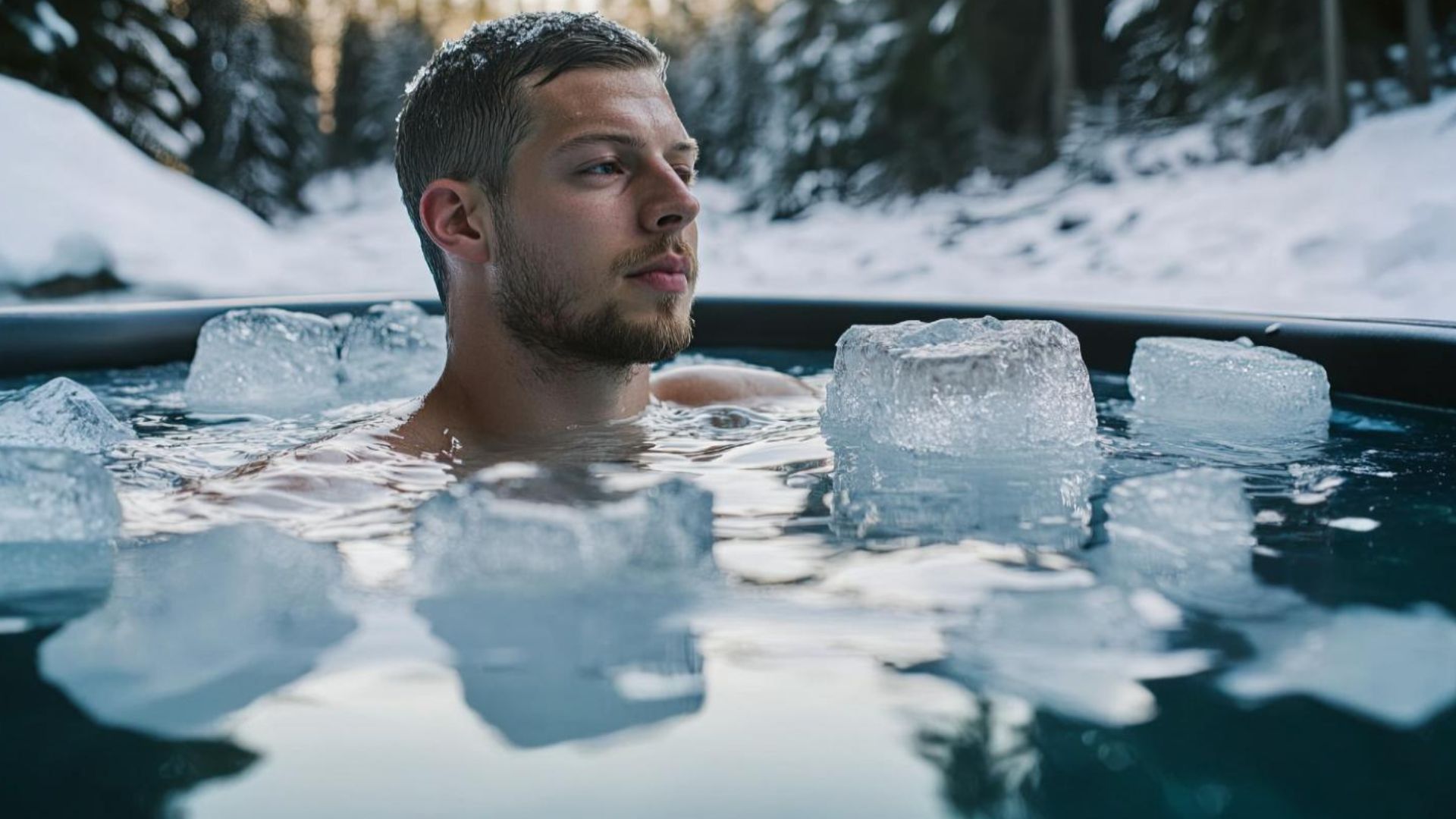
Cold therapy is gaining recognition as a complementary approach in addiction recovery. Exposure to cold water has been linked to various physiological and psychological benefits that support overall well-being. From regulating stress responses to stimulating neurotransmitter activity, cold therapy offers a unique way to assist individuals in their recovery journey.
Understanding how cold exposure affects the body and mind provides insight into its potential role in addiction treatment.
Understanding the Science Behind Cold Therapy and Addiction Recovery
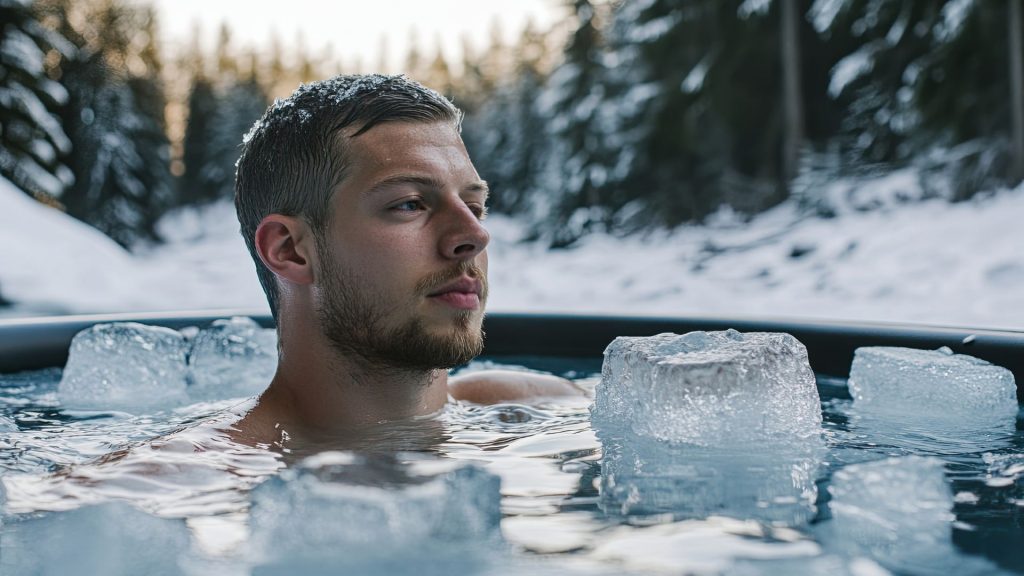
Cold therapy, also known as cold water therapy, involves exposing the body to low temperatures through cold showers, ice baths, and full-body immersion. This exposure triggers physiological responses, including improved circulation, increased dopamine release, and enhanced stress tolerance. These effects support both physical and mental health, making cold therapy a valuable tool in addiction recovery.
Addiction disrupts the brain’s reward system, leading to imbalances in neurotransmitters like dopamine. Cold therapy stimulates dopamine production, helping regulate mood and reduce cravings. It also activates the autonomic nervous system, improving stress response and lowering symptoms of anxiety and depression. These benefits make cold therapy an effective complement to evidence-based addiction treatment, enhancing overall recovery.
How Cold Therapy Supports Addiction Recovery
Physical Benefits of Cold Therapy
Regular exposure to cold water boosts circulation, reduces inflammation, and supports physiological adaptation, which enhances overall resilience. Increased blood flow helps the body heal, while reduced muscle tension improves relaxation and contributes to better sleep—an essential factor in addiction treatment.
Psychological Benefits of Cold Therapy
Beyond physical effects, cold therapy strengthens mental resilience. Voluntarily submerging in cold water trains the mind to cope with discomfort, helping individuals manage triggers and develop greater self-control. Cold exposure stimulates the nervous system and increases the body’s tolerance to stress, promoting emotional stability and reducing symptoms of anxiety and depression.
Types of Cold Therapy for Addiction Recovery
Cold therapy can be incorporated into addiction recovery through various methods, each offering unique benefits.
Ice Baths and Cold Plunges
Submerging in an ice bath or taking a cold plunge exposes the body to low temperatures, triggering physiological adaptation. This method reduces inflammation, stimulates dopamine release, and strengthens stress tolerance—key factors in addiction recovery.
Cold Showers
Cold showers provide a more accessible form of cold exposure. Gradual immersion helps stimulate circulation, regulate the nervous system, and improve emotional stability, making it a practical daily therapy option.
Open Water Swimming
Swimming in cold lakes or oceans combines the benefits of cold therapy with physical activity. Cold exposure and movement help boost dopamine levels, reduce stress, and enhance mental clarity.
Cryotherapy
Whole-body cryotherapy uses extreme cold in a controlled setting for a short duration. This method rapidly reduces inflammation, enhances circulation, and supports neurological recovery, effectively complementing addiction treatment.
Cold Therapy as a Complementary Treatment
Cold therapy enhances, rather than replaces, traditional addiction treatment. When combined with therapy and medical care, it helps reduce cravings, stabilize mood, and improve mindfulness. Some treatment programs use cold water immersion to increase self-awareness and emotional regulation.
By supporting both physical and mental recovery, cold therapy aligns with holistic treatment approaches. Its physiological and psychological benefits boost motivation, helping individuals stay committed to long-term recovery.
How to Safely Use Cold Therapy in Recovery
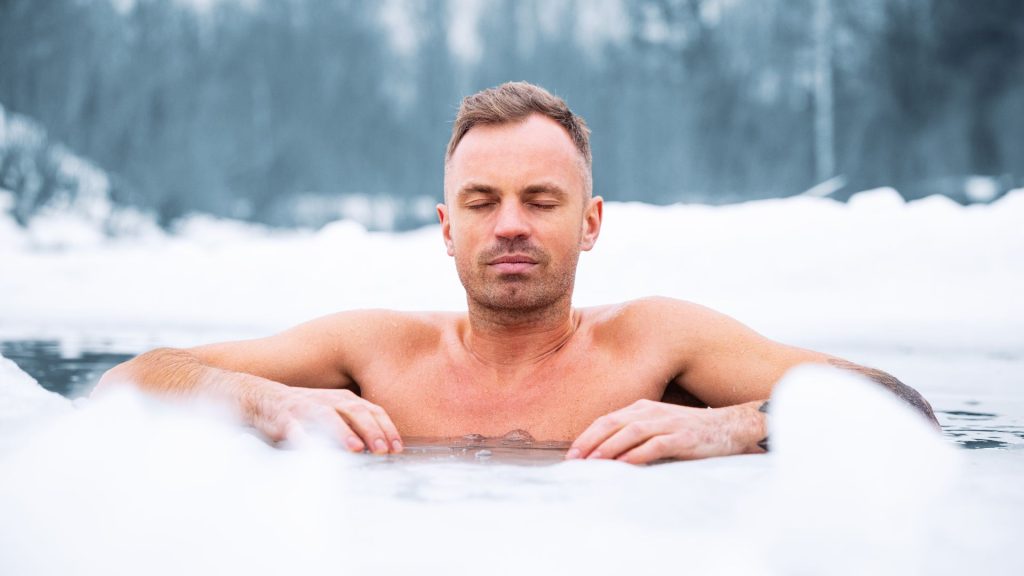
Starting with mild cold exposure, such as cold showers, allows individuals to gradually adapt. Ice baths or full-body immersion should be approached with caution, particularly for those in early recovery. It is essential to consult with a therapist or medical professional before incorporating cold therapy into an addiction treatment plan.
The key to successful cold therapy is consistency. Controlled exposure sessions can help regulate stress responses and improve overall well-being. Over time, the body adapts, and the benefits of cold therapy become more pronounced. By integrating this practice into a structured recovery plan, individuals can experience immediate and long-term benefits.
Final thoughts from Radix Recovery
At Radix Recovery, we incorporate evidence-based and holistic methods to support lasting addiction recovery. Our comprehensive treatment programs in Cedar Rapids, Iowa, focus on physical and mental well-being, ensuring each individual receives personalized care. Whether through traditional therapy sessions, holistic approaches, or structured support, our goal is to provide a confidential and effective recovery experience.