
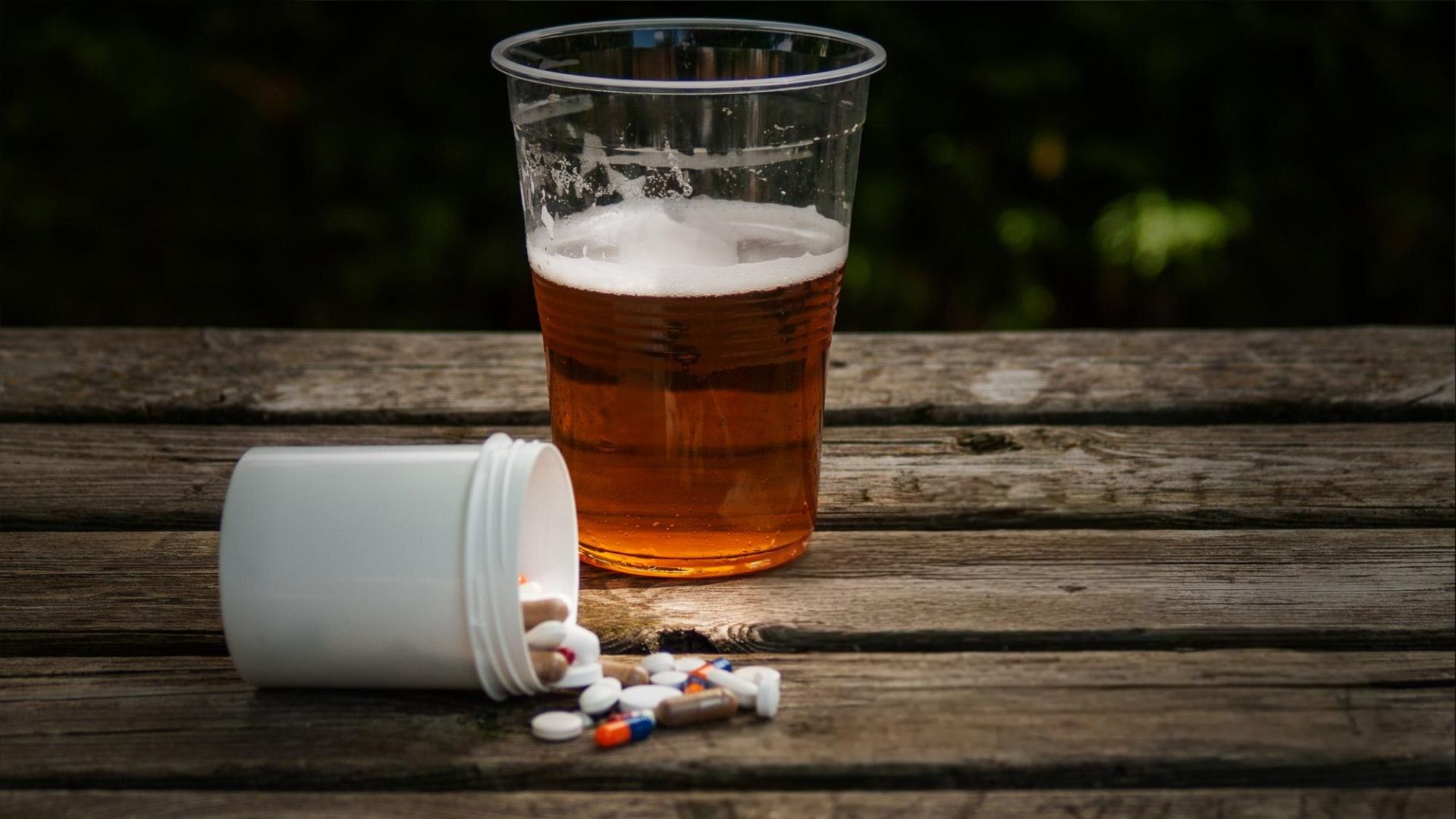
Mixing Ativan and alcohol is a dangerous combination that can lead to serious health risks, including overdose and death. Both Ativan and alcohol are central nervous system depressants, meaning they slow down brain activity and vital bodily functions. When combined, their effects can be intensified, leading to potentially life-threatening complications.
This article highlights the risks of mixing Ativan and alcohol, why people might combine them, the signs of such use, and safer treatment options for those struggling with alcohol abuse and alcoholism.
What Is Ativan?
Ativan is the brand name for lorazepam, a benzodiazepine medication prescribed primarily to treat anxiety, panic disorders, seizures, and sometimes to manage symptoms during alcohol withdrawal. Ativan works by increasing the activity of gamma-aminobutyric acid (GABA), a neurotransmitter that produces a calming effect on the brain and central nervous system. This calming effect helps reduce anxiety and induces sedation.
While Ativan is effective when used as prescribed, it has a high potential for dependence and misuse. When taken improperly or combined with other substances such as alcohol, the risks increase significantly.
If you’re questioning your use of alcohol, Ativan, or any other substance, our self-assessment quiz can provide valuable insight into your habits and help you decide if it’s time to consider support from a professional Ativan addiction rehab.
How Does Alcohol Affect the Body?
Alcohol is a depressant that also acts on the central nervous system. It enhances GABA activity while inhibiting excitatory neurotransmitters like glutamate, resulting in slowed brain function, impaired judgment, and reduced coordination.
Alcohol consumption can produce feelings of relaxation and euphoria, but it also causes drowsiness, slowed breathing, and a decreased heart rate. While occasional use may seem harmless, regular or excessive drinking can lead to dependence and, over time, develop into alcoholism, a chronic condition that impacts both physical health and mental well-being.
Because both Ativan and alcohol affect similar brain pathways, combining them can dangerously amplify these effects.
Why Mixing Ativan and Alcohol Is Dangerous
The combination of Ativan and alcohol is particularly risky due to their combined effects on the central nervous system. Both substances depress brain activity, and when taken together, they can:
- Increase sedation and drowsiness beyond what either would cause alone, leading to extreme sleepiness or unconsciousness.
- Slow heart rate and breathing, potentially causing respiratory depression, which can be fatal.
- Impair cognitive and motor functions, increasing the risk of accidents, falls, and injuries.
- Cause memory loss or blackouts, making it difficult to recall events or actions taken while under the influence.
- Lead to coma or death in severe cases, especially when large amounts of alcohol are consumed with Ativan.
The risk of these dangerous effects increases with the amount of alcohol consumed and the dose of Ativan taken. Even small amounts of alcohol can enhance the sedative effects of Ativan, making the combination unsafe.
Signs and Symptoms of Mixing Ativan and Alcohol
Recognizing the signs that someone may be mixing Ativan and alcohol is crucial for early intervention and potentially life-saving support. Physical symptoms can include grogginess, extreme drowsiness, slurred speech, difficulty concentrating, muscle weakness, poor coordination, slowed heart rate and breathing, confusion, and in severe cases, loss of consciousness or even coma.
Behavioral red flags might involve discovering both alcohol and Ativan pills together, noticing that medication is running out faster than prescribed, increased social withdrawal, or an intense focus on obtaining and using both substances.
Why Do People Mix Ativan and Alcohol?
Some individuals mix Ativan and alcohol intentionally to enhance the calming or euphoric effects of either substance. Alcohol is easily accessible and can intensify the sedative effects of Ativan, which may appeal to those self-medicating anxiety or seeking a stronger high.
However, this polysubstance use is extremely dangerous and often linked to alcohol addiction and co-occurring mental health disorders. Misuse can quickly lead to dependence on both substances and complicate treatment efforts.
Long-Term Risks of Combining Ativan and Alcohol
Even without an overdose, the long-term combination of Ativan and alcohol can lead to serious and lasting health complications. These may include heart and circulatory diseases, liver damage or failure, and hypoxia, a condition where low oxygen levels harm the brain and other vital organs.
Chronic use can also worsen anxiety and depression, while significantly increasing the risk of developing dependence on both substances. Additionally, combining alcohol and Ativan can complicate existing mental health conditions, often making recovery more challenging and prolonged.

Medical Advice: Should You Drink Alcohol When Taking Ativan?
Medical professionals strongly advise against drinking alcohol while taking Ativan or any other benzodiazepine. Ativan may remain in your system for several hours or even days after the last dose, so it’s recommended to avoid alcohol for at least 48 hours after taking Ativan to reduce the risk of dangerous interactions.
Combining Ativan and alcohol can lead to severe sedation, respiratory depression, or even death, making it a risk not worth taking.
Treatment Options for Ativan and Alcohol Addiction
If you or someone you know is struggling with alcohol and Ativan addiction, seeking professional help is essential. Effective addiction treatment involves:
- Medical detox to safely manage withdrawal symptoms under supervision.
- Comprehensive addiction treatment programs that include therapy sessions, group therapy, and mental health care.
- Medication-assisted treatment to reduce cravings and support long-term recovery.
- Addressing underlying mental health conditions to improve overall well-being.
Rehab centers specializing in drug and alcohol addictions can guide you every step of the way on your journey to recovery, helping you build a sustainable, sober life.
Final Thoughts from Radix Recovery
Mixing Ativan and alcohol is a dangerous interaction that can lead to severe sedation, respiratory depression, coma, and even death. Both substances depress the central nervous system, and their combined effects increase the risk of overdose and long-term health complications.
At our Iowa facility, we offer a focused, high-level addiction treatment program that allows you to receive intensive care during the day while returning to the comfort of your home each night, striking the perfect balance between inpatient support and outpatient flexibility. Backed by a skilled team of compassionate professionals, our program takes a holistic approach, guiding you through the deeper roots of addiction, teaching practical coping tools, and helping you lay the groundwork for long-term, sustainable recovery.