Expert Guidance for the Journey to Recovery

Evidence-based insights from our licensed clinicians, covering addiction, mental health, and long-term healing — written to help you and your loved ones navigate every step.
How to support a friend with alcoholism

How to Help an Alcoholic Friend?

Supporting a friend with alcohol addiction is vital. Recognize addiction as a medical condition needing empathy and professional help. We'll discuss effective ways to support....
A Comprehensive Guide to The Four C's of Addiction

A Comprehensive Guide to The Four C’s of Addiction

Addiction's Four C's - Compulsion, Cravings, Consequences, and Control - illustrate the complex cycle of addiction. Learn how they interconnect to perpetuate substance abuse and....
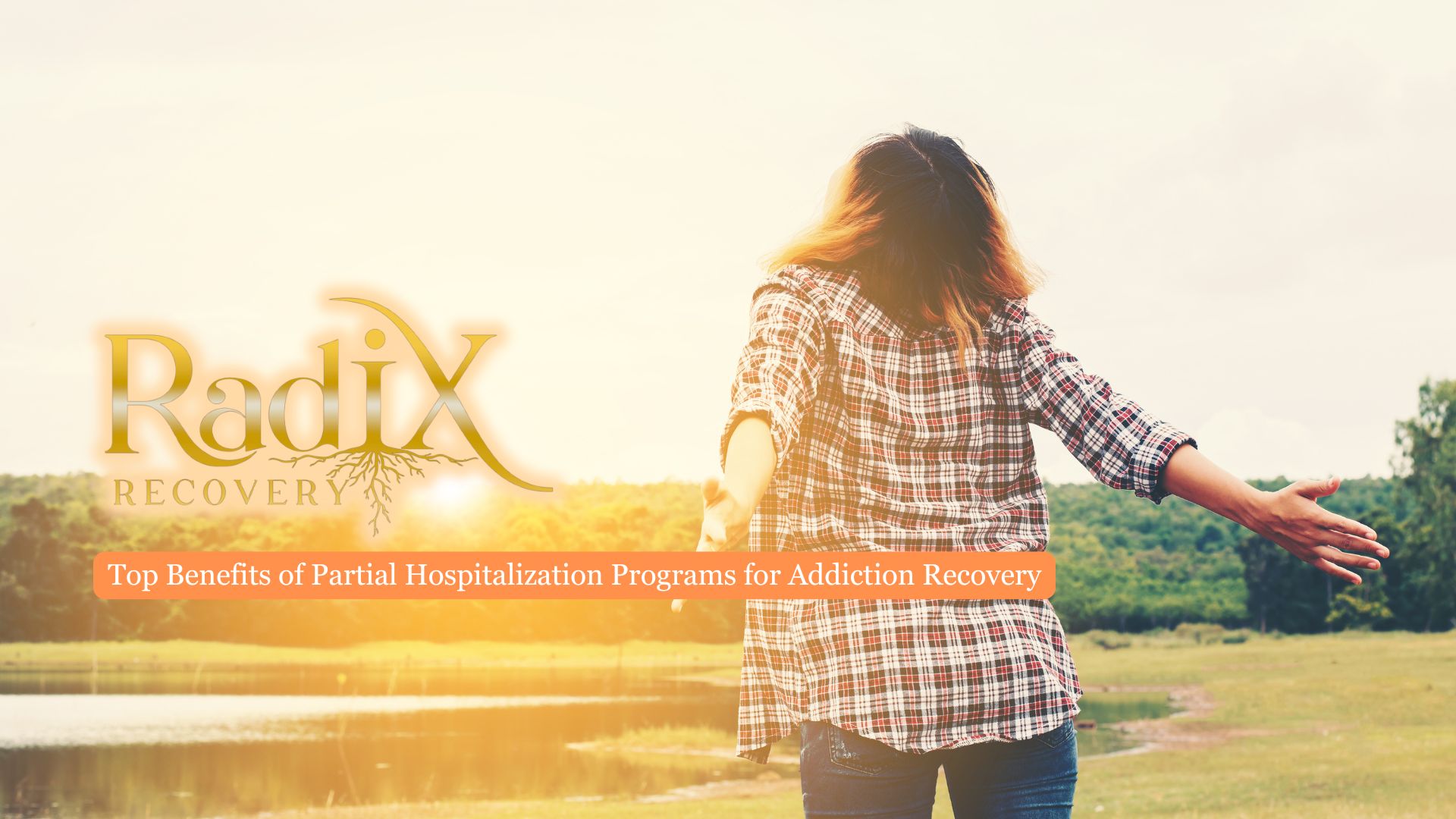
Woman standing with open arms in a field during sunset, representing freedom and healing

Top Benefits of Partial Hospitalization Programs for Addiction Recovery

Partial hospitalization programs (PHPs) offer structured addiction treatment with therapy, medication management, and support—without overnight stays. Flexible scheduling allows patients to continue daily responsibilities while....
Transition From Residential to IOP

How to Transition From Residential to IOP for Addiction Treatment

Transitioning from residential treatment to an Intensive Outpatient Program (IOP) is a significant milestone. This shift indicates greater autonomy and responsibility while maintaining robust support.....
Managing alcohol cravings

How to Curb Alcohol Cravings

Alcohol cravings can be intense and sudden, jeopardizing recovery efforts. This article explores effective strategies to manage cravings, offering practical tools and insights to help....
Alcoholic vs Binge Drinker

What’s the Difference Between an Alcoholic and a Binge Drinker?

Understanding the distinction between binge drinking and alcoholism is crucial for recognizing health risks and seeking proper treatment. While binge drinking involves occasional excessive alcohol....

Daily Practices That Support Lasting Recovery

🧠

Mindful Awareness

Even 10 minutes of daily mindfulness can significantly reduce craving intensity and emotional reactivity during early recovery.

🏃

Physical Movement

Exercise stimulates dopamine pathways naturally suppressed by substance use, accelerating neurological recovery and mood stabilization.

🤝

Peer Connection

Regular engagement with recovery communities in person or virtual is one of the strongest predictors of sustained sobriety after treatment.

📋

Structure & Routine

A consistent daily schedule reduces decision fatigue and exposure to unstructured time a primary trigger for relapse in early recovery.

Ready to Take the First Step?

Confidential. Same-day admissions available.