Expert Guidance for the Journey to Recovery

Evidence-based insights from our licensed clinicians, covering addiction, mental health, and long-term healing — written to help you and your loved ones navigate every step.
ongoing alcohol dependence

Alcohol Use and Relationships: How Drinking Impacts Loved Ones

Alcohol use impacts more than health—it affects relationships, family dynamics, and emotional well-being. Learn how addiction strains loved ones and why treatment and family therapy....
repeated cycles of stopping

Alcohol and the Kindling Effect: What You Need to Know

The kindling effect makes alcohol withdrawal increasingly dangerous, intensifying symptoms like seizures and delirium tremens. Learn how repeated relapse affects the brain and why medical....
drugs are the hardest to quit

Why Some Drugs Are Harder To Quit Than Others

Some drugs are harder to quit due to brain chemistry, withdrawal symptoms, and psychological dependence. This article explains why certain substances create stronger addiction and....
cocaine is a powerful stimulant

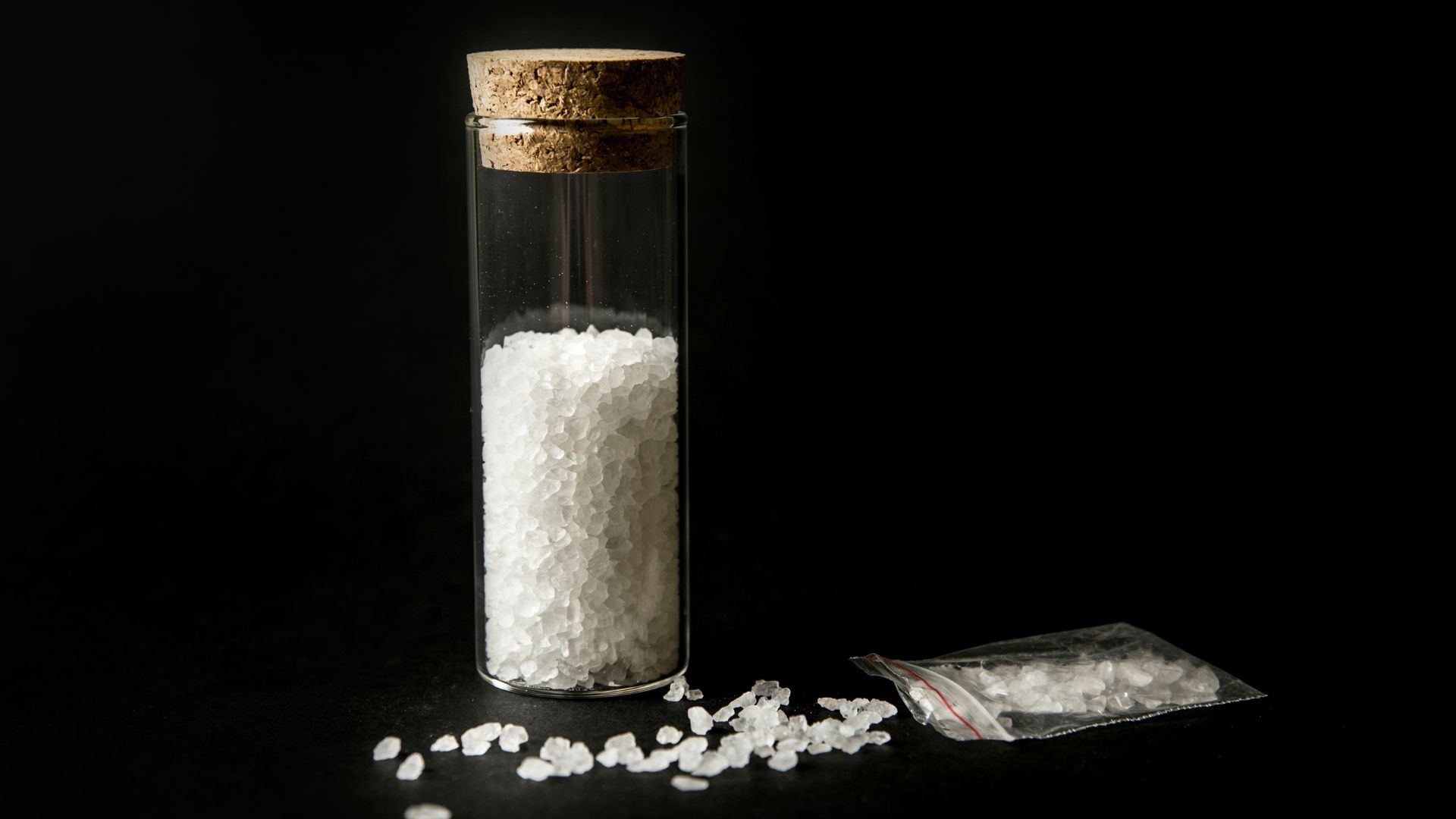
Crack Vs. Cocaine: What’s The Difference

Crack and cocaine share the same origin but differ in form, use, and risks. Crack’s rapid, intense high makes it highly addictive, while powdered cocaine....
effects of marijuana

Understanding Marijuana-Induced Cognitive Impairment

Marijuana use can impair memory, attention, and executive function. Learn how weed affects brain health, the risks of long-term use, and treatment options for recovery....
two types of dependence

Physical vs Psychological Dependence: What’s the Difference?

Physical and psychological dependence affect recovery in different ways. Learn the key differences, how they overlap, and why addressing both is essential for effective addiction....

Daily Practices That Support Lasting Recovery

🧠

Mindful Awareness

Even 10 minutes of daily mindfulness can significantly reduce craving intensity and emotional reactivity during early recovery.

🏃

Physical Movement

Exercise stimulates dopamine pathways naturally suppressed by substance use, accelerating neurological recovery and mood stabilization.

🤝

Peer Connection

Regular engagement with recovery communities in person or virtual is one of the strongest predictors of sustained sobriety after treatment.

📋

Structure & Routine

A consistent daily schedule reduces decision fatigue and exposure to unstructured time a primary trigger for relapse in early recovery.

Ready to Take the First Step?

Confidential. Same-day admissions available.