
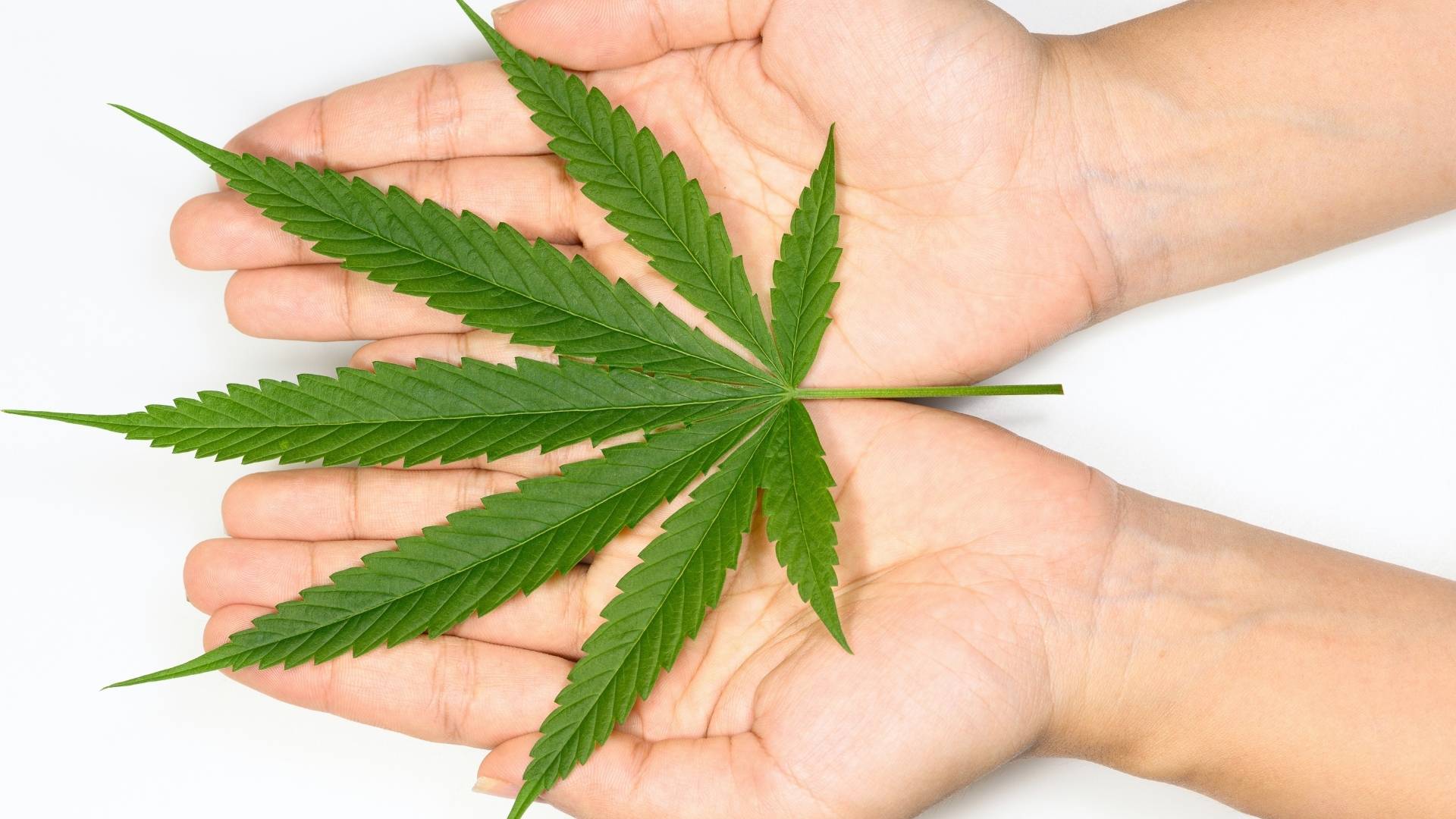
Cannabis use disorder affects millions worldwide, yet many don’t recognize when recreational marijuana use crosses into the territory of dependence. Substance use disorders happen in the brain, meaning that it can be very difficult for someone to self-diagnose before they have become too reliant on habitual marijuana use. This article explores the science behind marijuana addiction and cannabis dependence, helping you identify the warning signs and explaining when professional detox becomes essential for recovery.
Important Points
- Cannabis use disorder affects 3 in 10 of marijuana users, with higher rates among young adults starting before age 18
- Physical dependence develops through brain adaptation to regular cannabis plant compounds.
- Withdrawal symptoms include irritability, sleep problems, and cannabis cravings lasting up to two weeks
- High-potency cannabis products increase the risk of mental health conditions and cognitive impairment
- Professional detox becomes necessary when withdrawal causes severe distress or co-occurs with other substances
What is Cannabis Use Disorder (CUD)?

Cannabis use disorder represents a clinical diagnosis affecting approximately 9% of people who try marijuana, with rates climbing to 17% among those who start during adolescence. The Diagnostic and Statistical Manual of Mental Disorders (DSM-5) defines this condition through specific criteria experienced over 12 months, which include things like tolerance, withdrawal symptoms, and continued use despite negative consequences.
Research from the National Institute on Drug Abuse shows that regular cannabis consumption alters brain chemistry, particularly affecting dopamine regulation, which leads to changes in mood and thoughts. When you smoke marijuana repeatedly, your brain adapts by reducing natural cannabinoid receptor sensitivity, creating a cycle where you need more cannabis to achieve the same effects.
Physical Dependence vs Psychological Addiction
Your body develops physical dependence when it adjusts to regular cannabis presence, leading to withdrawal symptoms upon stopping. These include:
- Irritability
- Sleep difficulties
- Decreased appetite
- Anxiety
What defines entering a state of marijuana addiction is the psychological compulsion to use despite knowing the harm it is causing in your life.
Effects of Cannabis Substance Abuse on Mental Health
The relationship between cannabis use and mental health goes both ways, each feeding into the other. While some people use marijuana to treat anxiety or depressive symptoms, heavy cannabis users experience worsening mental disorders over time. According to the American Psychiatric Association, High-potency cannabis products available today contain THC concentrations reaching 90%, compared to 4% in the 1990s. This dramatic increase correlates with higher rates of cognitive impairment, altered brain development in young users, and clinically significant impairment in daily functioning.
What About Medical Cannabis?
Medical cannabis users face unique challenges since they balance legitimate therapeutic needs against the risks associated with cannabis use disorder. A study comparing medical versus nonmedical cannabis use published in 2025 revealed that medical marijuana patients used it more frequently than recreational users, with daily use having an established correlation with addiction risk. This means that someone using cannabis medically isn’t any more protected against cannabis use disorder than someone using it for non-medical reasons.
Risk Factors for Developing Cannabis Dependence
Several factors increase vulnerability to marijuana use disorder and cannabis abuse.
- Young adults and adolescents face heightened risk due to ongoing brain development.
- Co-occurring mental health conditions like depression, anxiety, or post-traumatic stress disorder (PTSD) double your chances of developing substance use disorder.
- Genetics plays a significant role, with a family history of drug abuse or alcohol dependence increasing susceptibility.
Marijuana Use Disorder: Recognizing Withdrawal Symptoms
Cannabis withdrawal presents real physical and psychological symptoms, though often dismissed by users. Peak symptoms occur 2-6 days after stopping, including intense cannabis cravings, mood swings, insomnia, decreased appetite, and restlessness.
Unlike alcohol dependence or other drugs, cannabis withdrawal rarely causes dangerous medical complications. However, the discomfort drives many back to smoking cannabis within days of attempting to quit, perpetuating the cycle of marijuana abuse.
When Detox Becomes Necessary For Problematic Cannabis Use
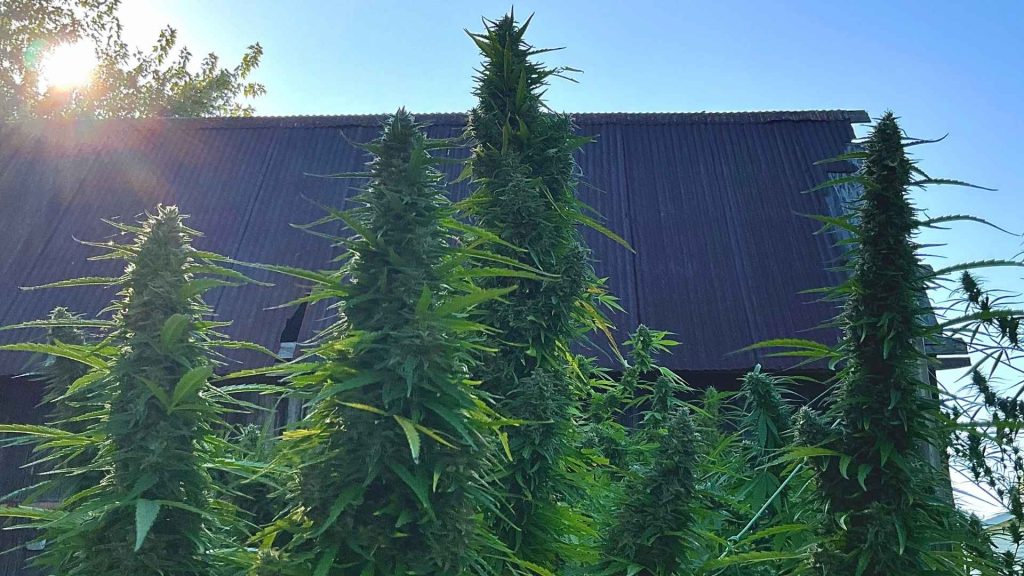
Professional detox serves individuals experiencing severe withdrawal symptoms, those with concurrent substance use involving other drugs or alcohol, or people with mental health issues requiring stabilization. Treatment facilities offer medical supervision, symptom management, and psychological support during the acute withdrawal phase.
Treatment Options Beyond Detox
Recovery from cannabis addiction extends beyond initial detox.
- Cognitive behavioral therapy helps identify triggers and develop coping strategies.
- Family therapy addresses relationship dynamics affected by marijuana use while building support systems.
- Contingency management, where patients receive rewards for negative drug tests, significantly improves abstinence rates.
- Group therapy connects you with others facing similar struggles, reducing the isolation common among heavy cannabis users who’ve abandoned recreational activities.
Cannabis Dependence Frequently Asked Questions
What are the criteria for cannabis dependence?
Cannabis dependence criteria include tolerance requiring increased amounts, withdrawal symptoms when stopping, using more than intended, unsuccessful quit attempts, excessive time spent obtaining or using cannabis, giving up important activities, and continued use despite physical or psychological problems caused by cannabis.
What does cannabis use disorder look like?
Cannabis use disorder involves compulsive use despite negative consequences. Signs include failed attempts to cut back, cravings, neglecting responsibilities, relationship problems, using in dangerous situations, and continued use despite health or social issues. Severity ranges from mild to severe based on symptoms present.
What are the symptoms of long-term cannabis use?
Long-term cannabis use may cause cognitive impairments affecting memory and attention, respiratory problems from smoking, increased anxiety or depression, decreased motivation, sleep disturbances, and potential psychosis risk in vulnerable individuals. Physical dependence can develop, causing withdrawal symptoms like irritability, insomnia, and appetite changes upon cessation.
Safe Medical Detox and Integrated Addiction Treatment in Cedar Rapids
Addiction doesn’t wait, and neither should your treatment. Radix Recovery offers on-site medical detox in Cedar Rapids, Iowa, followed by residential and outpatient programming designed for long-term stability. Our team supports you from day one through every step of recovery. Start your healing from the root up and continue to grow with us during your path to sobriety.