


Chest pain is one of the most alarming symptoms linked to cocaine use, and it is a frequent reason why individuals end up in the emergency department. The intensity and duration of this pain can vary widely, but it is always a sign that should be taken seriously.
This article explains how long chest pain from cocaine use can last, why it occurs, and what risks it poses to the cardiovascular system.

Why Cocaine Causes Chest Pain
Cocaine has powerful effects on the cardiovascular system. It increases heart rate, raises blood pressure, and constricts arteries in the heart, all of which can reduce blood flow. This strain on the heart may trigger chest pain within minutes of use.
The drug also disrupts normal electrical signals, increasing the risk of abnormal cardiac rhythms. These effects of cocaine place users at higher risk for myocardial injury and other complications.
For individuals who find themselves facing these recurring problems, exploring professional cocaine addiction treatment and supportive therapies can be an important step toward recovery and long-term heart health.
Typical Duration of Chest Pain
Chest pain after cocaine use can last anywhere from minutes to several hours, depending on the individual and the circumstances. In mild cases, discomfort may ease within 30 to 60 minutes as the drug’s immediate stimulant effects wear off. For some, pain lingers for several hours if the heart or blood vessels remain under stress.
In patients with cocaine-associated chest pain who develop underlying damage, the discomfort may stretch well into the day and require urgent medical care. In the most severe cases, the pain is tied to a myocardial infarction, meaning symptoms can continue or even worsen over time if not treated. Because the pain is unpredictable, it should always be considered a medical emergency.
Factors That Influence How Long Chest Pain Lasts
The length of chest pain depends on several risk factors:
- Dosage and frequency of use: Larger or more frequent use puts significant strain on the heart and cardiovascular system.
- Pre-existing conditions: Individuals with coronary artery disease or hypertension face greater vulnerability.
- Damage to the heart: It may cause lasting injury to myocardial tissue or nearby blood vessels, prolonging pain.
- Polysubstance use: Combining it with alcohol or other stimulants intensifies the risks.
Each of these factors can prolong chest pain and increase the chances of cardiac emergencies.
The Connection Between Cocaine and Heart Attacks
Cocaine-related chest pain is not just uncomfortable—it can be life-threatening. It narrows the coronary arteries, reduces oxygen supply, and raises the demand on the heart. This imbalance increases the likelihood of myocardial infarction, even in young people with no prior heart problems.
Studies show that cocaine users have a higher rate of emergency department visits related to cardiac issues, and these cases often involve serious complications. Recognizing associated chest pain as a warning sign can make the difference between recovery and long-term damage.
When to Seek Emergency Medical Help
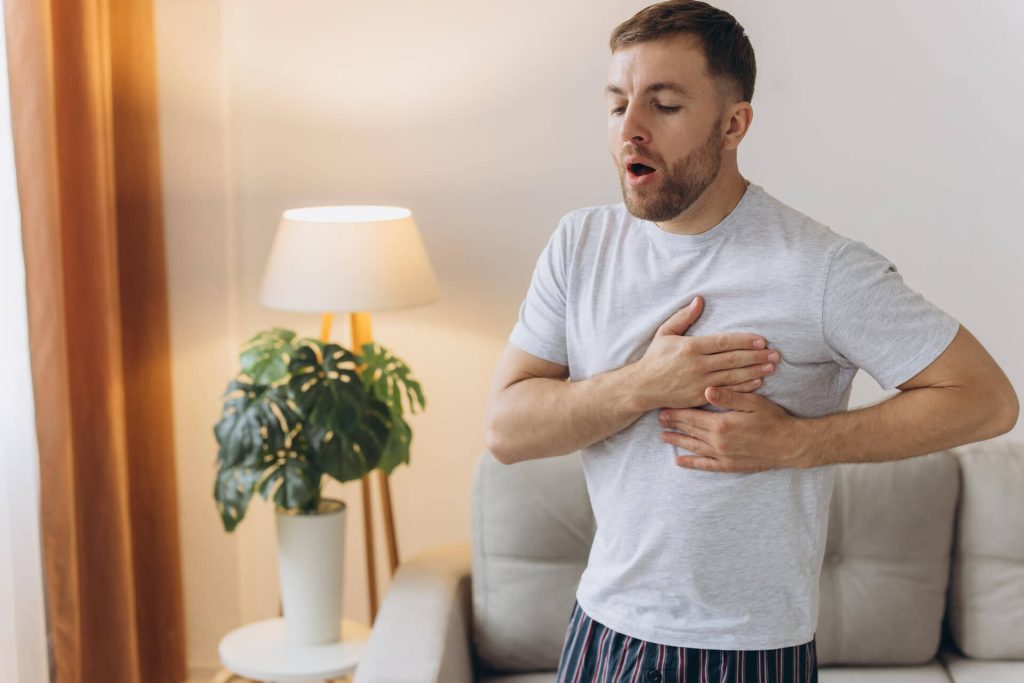
Anyone experiencing chest pain after cocaine use should seek immediate medical evaluation. Because this type of pain can mimic or trigger a heart attack, professional testing is necessary to rule out myocardial infarction.
Medical teams in the emergency department can monitor heart rate, blood pressure, and cardiac activity to determine whether blood vessels in the heart are affected. Prompt care reduces the risk of permanent damage and increases the chance of safe recovery.
Long-Term Risks of Cocaine-Related Chest Pain
Even if chest pain fades within a few hours, repeated cocaine use increases the chances of long-term cardiovascular problems. The ongoing stress on the cardiovascular system weakens heart muscles, damages coronary arteries, and raises the risk of future cardiac events.
Cocaine addiction often traps individuals in a cycle of recurring pain and escalating emergencies, making treatment and recovery critical for long-term health. By continuing to use cocaine, individuals repeatedly expose themselves to harm that may result in permanent myocardial damage or other coronary complications.
Seeking structured addiction programs and evidence-based therapies is essential to break this cycle. Professional treatment provides medical monitoring, counseling, and long-term relapse prevention strategies that help restore both cardiovascular health and overall well-being.
Final Thoughts from Radix Recovery
Chest pain caused by cocaine use can last minutes, hours, or even longer if it signals serious cardiac complications. Because cocaine-induced chest pain is unpredictable and potentially life-threatening, it should never be overlooked. Immediate medical care is always the safest response.
At Radix Recovery, we understand the dangers of addiction and its impact on the heart and overall health. Our outpatient rehab programs in Cedar Rapids, Iowa, provide comprehensive support for those struggling with substance use, helping patients address both the physical and psychological consequences. With professional care, recovery is possible, and the risks of future cardiovascular complications can be significantly reduced.