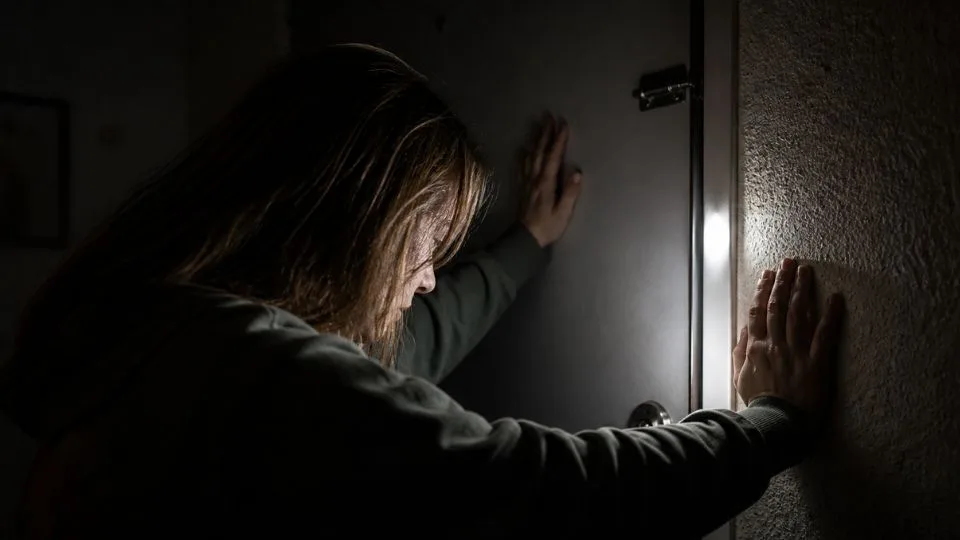


Marijuana is widely used for recreational and medicinal purposes, often associated with relaxation or pain management. However, in some cases, it can lead to adverse psychological effects, including paranoia, an exaggerated sense of suspicion or fear that others may be watching or judging.
This article examines the link between marijuana and paranoia, outlining the factors that increase risk and summarizing current scientific understanding of the issue.

How Cannabis Can Cause Paranoia
The main psychoactive ingredient in marijuana is THC (tetrahydrocannabinol). THC affects the brain’s endocannabinoid system, which controls mood, memory, and perception.
One key brain area influenced by THC is the amygdala, which processes fear and threat. Too much stimulation in this region can make ordinary situations feel threatening, leading to feelings of paranoia.
In a study, about half of people who received THC reported paranoia, compared with only 30% on placebo. Researchers found this was linked to higher anxiety and unusual sensory experiences rather than memory issues.
For individuals who find paranoia or other negative effects recurring with cannabis use disorder, finding the right marijuana rehab center can make a significant difference. Professional treatment not only helps reduce harmful patterns of use but also addresses underlying mental health concerns that may make someone more vulnerable to paranoia.
Risk Factors for Marijuana-Related Paranoia
Dose and Potency
The effects of THC depends on the amount consumed as it strongly influences whether marijuana has relaxing or distressing effects. While smaller doses may help some users feel calm, higher doses are far more likely to trigger anxiety, nervousness, and paranoid thoughts. Potent strains and concentrated cannabis products, such as oils or dabs, deliver higher amounts of THC at once, which significantly increases the risk of negative psychological reactions.
THC vs. CBD Balance
The ratio of THC to CBD in a cannabis strain also affects the likelihood of paranoia. Cannabidiol may counteract some of THC’s more troubling effects, including paranoia and anxiety. Strains high in THC but low in CBD have been shown to carry the greatest risk, since they lack the moderating influence that CBD can provide.
Individual Differences
Not everyone responds to marijuana in the same way. Biological sensitivity plays a large role, with some people being more vulnerable to THC’s effects. In particular, individuals with a history of anxiety disorders, trauma, or other mental health conditions are more likely to experience paranoia after cannabis use. Genetics may also contribute to whether someone is more susceptible to paranoia or psychosis.
Method of Use
How marijuana is consumed can alter its effects. Smoking or vaping generally produces faster, shorter-lived results, whereas edibles often lead to stronger and longer-lasting reactions. This is because the body processes THC differently when ingested, converting it into a more potent compound called 11-hydroxy-THC. As a result, edibles carry a higher risk of paranoia and other uncomfortable psychological effects.
Frequency and Age of Use
Patterns of use also affect the likelihood of paranoia. Regular or heavy marijuana consumption, particularly when started during adolescence, has been linked to a higher risk of long-term mental health concerns. In some individuals with pre-existing vulnerabilities, chronic high-potency use may increase the likelihood of developing psychosis or related conditions later in life.
Adverse Effects of Cannabis-Induced Paranoia
Short-Term
In the short term, it typically appears during intoxication and subsides as the effects of the drug wear off. Common symptoms include heightened nervousness, distrust of others, feelings of being judged, or the sense of being watched.
These effects are most strongly linked to high doses of THC, rapid changes in brain activity, and individual sensitivity. While uncomfortable, these episodes are generally temporary and do not persist once the drug leaves the system.
Long-Term
The long-term impact is more complex. Frequent use of high-potency cannabis has been associated with an increased risk of persistent paranoia, psychosis, or schizophrenia, particularly in individuals with preexisting vulnerabilities such as a family history of mental illness, early-onset cannabis use, or underlying anxiety disorders.
Research suggests that while marijuana alone does not directly cause schizophrenia, it may exacerbate or worsen symptoms in people already at risk. Chronic use can also alter brain chemistry related to dopamine regulation, which is linked to paranoia and psychotic symptoms.

What to Do If You Feel Paranoid After Using Marijuana
Find a Safe Environment
Changing your surroundings can significantly reduce paranoia. Move to a quiet, comfortable, and familiar space where you feel secure. Loud noises, unfamiliar people, or busy environments may intensify anxious thoughts, while calm spaces help reduce sensory overload.
Practice Slow Breathing
Paranoia often comes with physical symptoms such as rapid heartbeat or shallow breathing. Practicing slow, deep breathing activates the body’s relaxation response, lowering stress hormones and calming both mind and body. Breathing in through the nose for four seconds, holding briefly, and exhaling slowly can reduce tension.
Stay Hydrated and Avoid Stimulants
Dehydration and stimulants like caffeine or alcohol may worsen anxiety and paranoia. Drinking water or a non-caffeinated beverage can help your body metabolize THC more smoothly, easing discomfort.
Use Grounding or Distraction Techniques
Redirecting your attention away from anxious thoughts can interrupt the cycle of paranoia. Grounding exercises (such as noticing five things you can see, four you can touch, three you can hear, two you can smell, and one you can taste) shift focus to the present moment. Simple distractions—like listening to music, watching a calm video, or engaging in light conversation—can also help.
Wait It Out
The effects of marijuana-related paranoia are temporary. As THC is metabolized and its levels decrease in the body, paranoia typically fades. Depending on the method of use, effects can last from 30 minutes (inhalation) to several hours (edibles). Reminding yourself that the experience is time-limited can provide reassurance.
Seek Professional Help if Needed
If paranoia becomes frequent, severe, or interferes with daily functioning, it may be a sign of heightened sensitivity to THC or an underlying mental health condition. In such cases, consulting a healthcare provider or mental health professional is recommended. For individuals with persistent marijuana cravings and paranoia, structured treatment and counseling may be necessary.
Final Thoughts from Radix Recovery
The link between marijuana and paranoia shows how cannabis can affect the brain in complex ways. While some users may feel relaxed at lower doses, high-potency strains, edibles, or frequent use increase the risk of anxiety, distrust, and paranoia. Recognizing these risks helps teens and adults make more informed choices about marijuana use.
At Radix Recovery, we provide expert marijuana addiction treatment in Cedar Rapids, Iowa. Our evidence-based programs address not only the results of harmful drug misuse but also the underlying stress, anxiety, or trauma that may increase vulnerability to marijuana’s negative effects.