
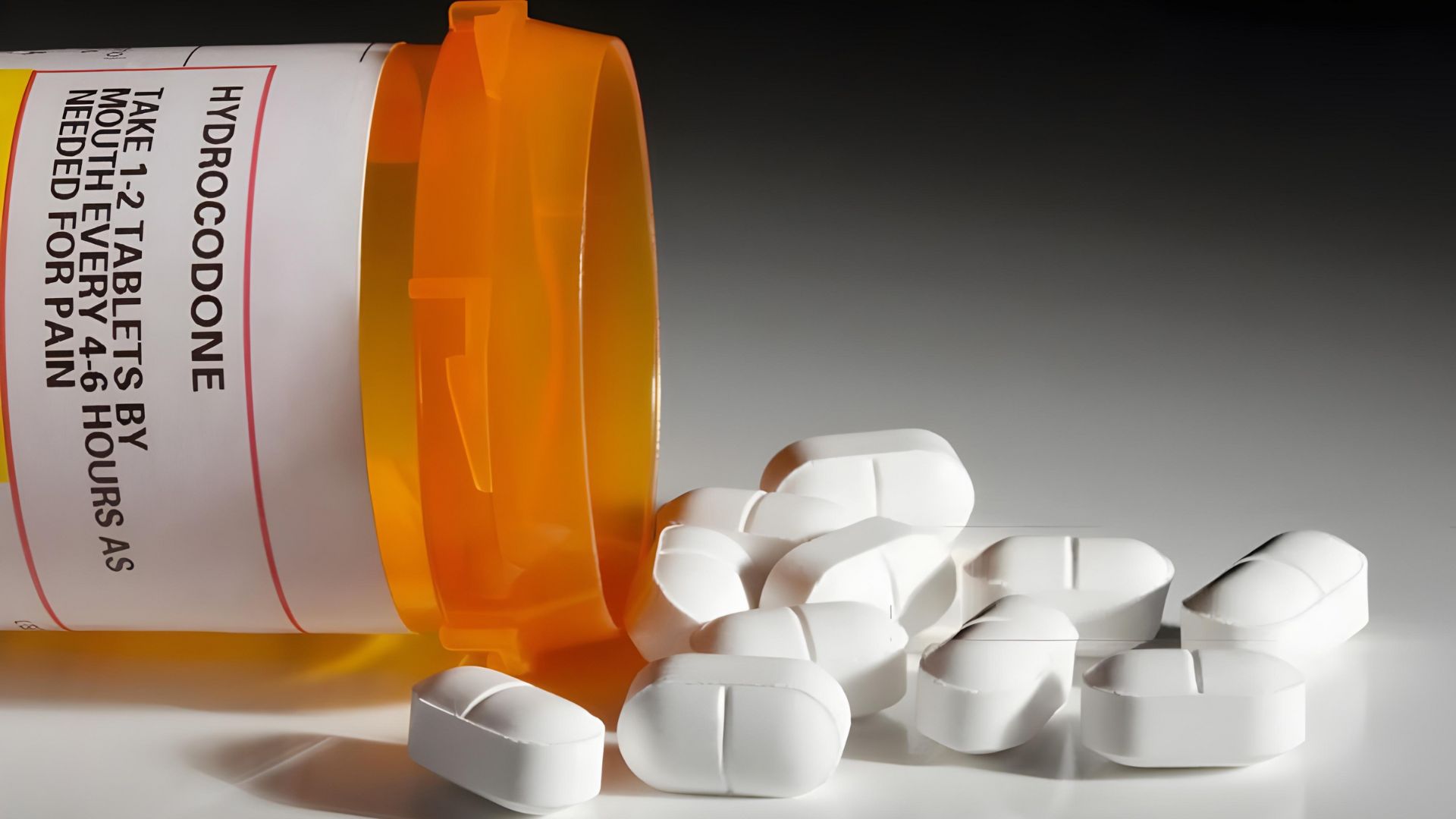
When it comes to managing pain, especially after surgery or injury, doctors often prescribe opioid medications like Percocet or hydrocodone. Both are powerful pain relievers used to treat moderate to severe pain, but many people wonder: which one is stronger?
In this article, we’ll break down the key differences between these two opioid medications so you can make informed decisions and better understand the risks and benefits associated with each.
What Is Percocet?
Percocet is a prescription opioid pain reliever used to treat moderate to severe pain. It is a combination medication that includes oxycodone and acetaminophen. Oxycodone is a potent opioid that works by binding to opioid receptors in the brain, while acetaminophen enhances pain relief and helps reduce fever. Percocet is often prescribed for short-term pain management following surgery, injury, or dental procedures.
Percocet is generally considered more potent than hydrocodone, due to the strength of oxycodone. This makes it effective for treating acute pain associated with fractures or post-operative recovery. However, it also means that Percocet carries a high potential for abuse and addiction.
What Is Hydrocodone?
Hydrocodone is another opioid medication used to treat moderate to severe pain. It is often combined with acetaminophen under brand names like Vicodin. Like Percocet, hydrocodone works by binding to opioid receptors to block pain signals. Hydrocodone is commonly prescribed for both acute and chronic pain, including dental pain, injury recovery, and some forms of cancer-related pain.
Hydrocodone is slightly less potent than oxycodone. While effective, it may not provide the same level of pain relief as Percocet in certain cases. Immediate-release hydrocodone is typically used for short-term pain, but it also has a high potential for abuse and addiction.
Percocet and Hydrocodone: Key Differences
When comparing Percocet vs. hydrocodone, the most important difference is the opioid component—oxycodone vs. hydrocodone. Oxycodone is generally more potent than hydrocodone, which makes Percocet stronger for certain types of pain. However, that added strength comes with increased risks.
Percocet contains 10 mg of oxycodone and 325 mg of acetaminophen in a common formulation, whereas hydrocodone-acetaminophen combinations often include 5-10 mg of hydrocodone. The difference between Percocet and hydrocodone isn’t just about strength – it also comes down to how the body processes each drug and how long their effects last. Percocet tends to act faster, but its effects may wear off sooner than hydrocodone. Here we have an article about the duration of percocet in your system.
Comparing Percocet and hydrocodone involves weighing potency against risk. If one is considered more potent, such as Percocet, it also carries a higher potential for dependency and side effects.
Effects of Percocet and Hydrocodone
The effects of Percocet and hydrocodone are similar due to their classification as opioids. Both medications can cause drowsiness, constipation, nausea, and dizziness. They carry a high risk of addiction when taken in higher doses than prescribed.
Side effects of Percocet may be more pronounced due to the presence of oxycodone. These include respiratory depression, sedation, and an increased risk of overdose. Taking Percocet or hydrocodone with any other drugs, particularly central nervous system depressants, significantly increases these dangers.
Hydrocodone drug interactions should be monitored carefully, especially when combined with benzodiazepines or alcohol. The potential for misuse is high for both drugs, making close supervision and medical guidance essential during treatment.
Risks of Misuse and Opioid Addiction
Both Percocet and hydrocodone carry a high risk of addiction. These medications are classified as Schedule II controlled substances due to their high potential for misuse. Even when used as directed, the risk of physical dependence increases with prolonged use.
Opioid addiction can develop quickly, especially when medications are used for non-medical reasons. Signs of opioid misuse include taking higher doses than prescribed, using the drugs for euphoric effects, and continuing use despite negative consequences. Addiction to Percocet or hydrocodone can lead to serious physical and psychological harm, requiring professional treatment.
For patients with a history of substance use or mental health conditions, the risk of addiction is even greater. Choosing the right pain reliever should always involve a discussion with a licensed treatment provider to weigh the benefits and risks.

Making the Right Choice for Pain Management
Determining whether Percocet or hydrocodone is right for you depends on the severity of your pain, medical history, and individual response to medication. For treatment of acute pain associated with fractures or surgery, Percocet may offer faster, stronger relief. For ongoing, moderate pain, hydrocodone may be a safer long-term option under medical supervision.
The choice between oxycodone and hydrocodone should always be made with your physician or treatment provider. If you’re concerned about the potential for misuse or opioid addiction, alternative therapies and non-opioid pain relief options may be recommended.
Treatment for Percocet and Hydrocodone Addiction
Whether you or a loved one is struggling with opioid misuse of either hydrocodone or Percocet, professional help is essential. Opioid addiction is treatable with a combination of medical care, counseling, and long-term support. Treatment for Percocet and hydrocodone addiction often begins with tapering or replacing the opioid under medical supervision, followed by therapies like cognitive-behavioral therapy (CBT), group counseling, and relapse prevention planning.
Chronic pain conditions should be addressed alongside substance use disorders to ensure long-term recovery. Working with a specialized Percocet addiction treatment program can provide the comprehensive care needed to address both the physical dependence and underlying factors contributing to addiction.
Final Thoughts from Radix Recovery
Both Percocet and hydrocodone play a role in managing pain, but choosing between them requires careful evaluation of individual needs, medical history, and risk factors. Accurate information empowers patients to collaborate with their providers and determine the best course of action for safe and effective treatment.
At Radix Recovery in Cedar Rapids, we specialize in evidence-based treatment for individuals struggling with opioid addiction. Whether the issue stems from hydrocodone, Percocet, or another prescription opioid, our team provides compassionate, clinically guided care designed to restore balance and long-term health.