

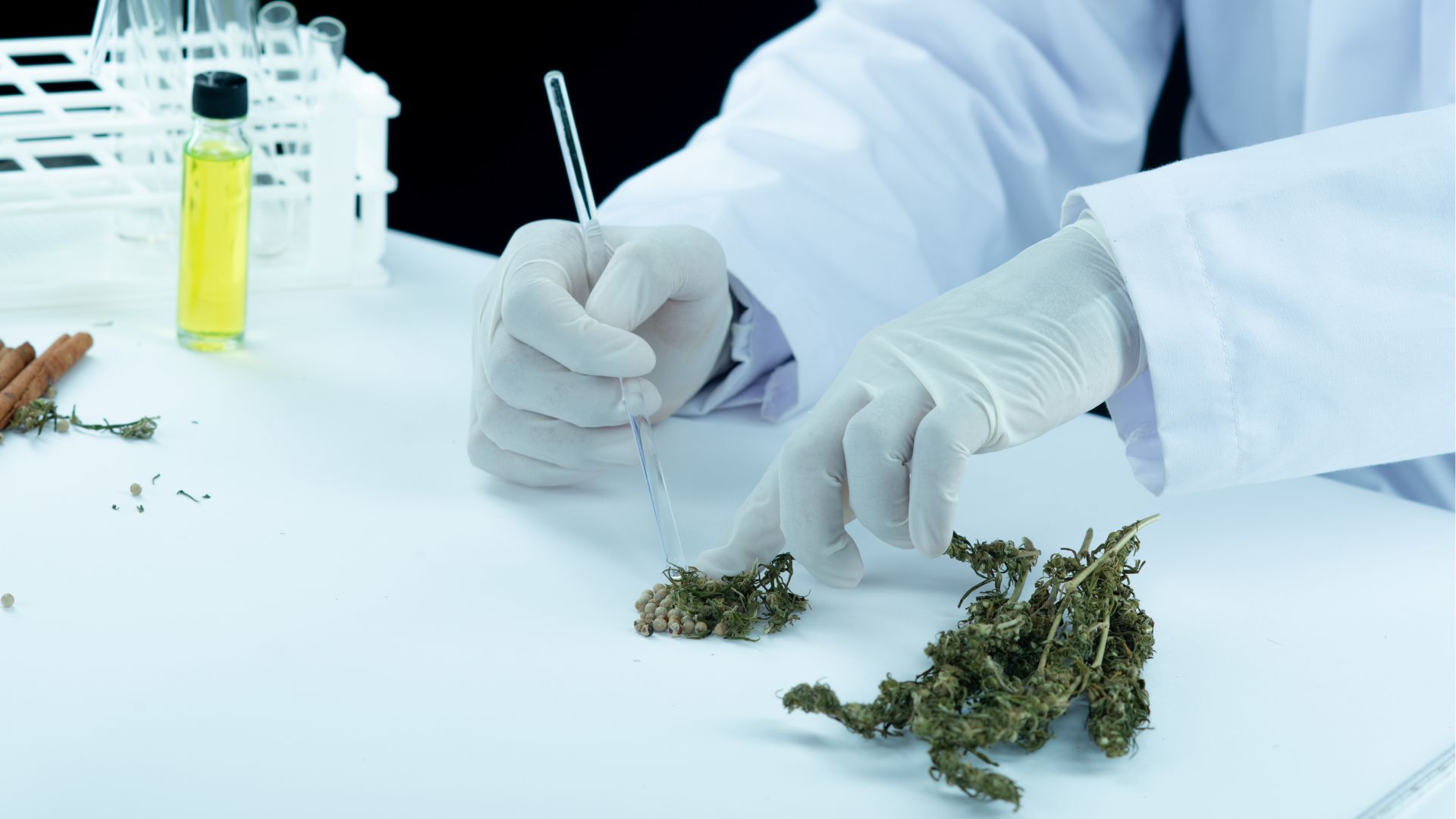
The debate over synthetic marijuana versus natural marijuana is a critical topic in public health, substance use, and drug abuse discussions. While both substances interact with cannabinoid receptors in the brain and can produce psychoactive effects, their composition, risks, and health outcomes are significantly different.
This article explores the differences between synthetic cannabinoids and natural cannabis, their effects, and the dangers associated with their use.
What Is Natural Marijuana?
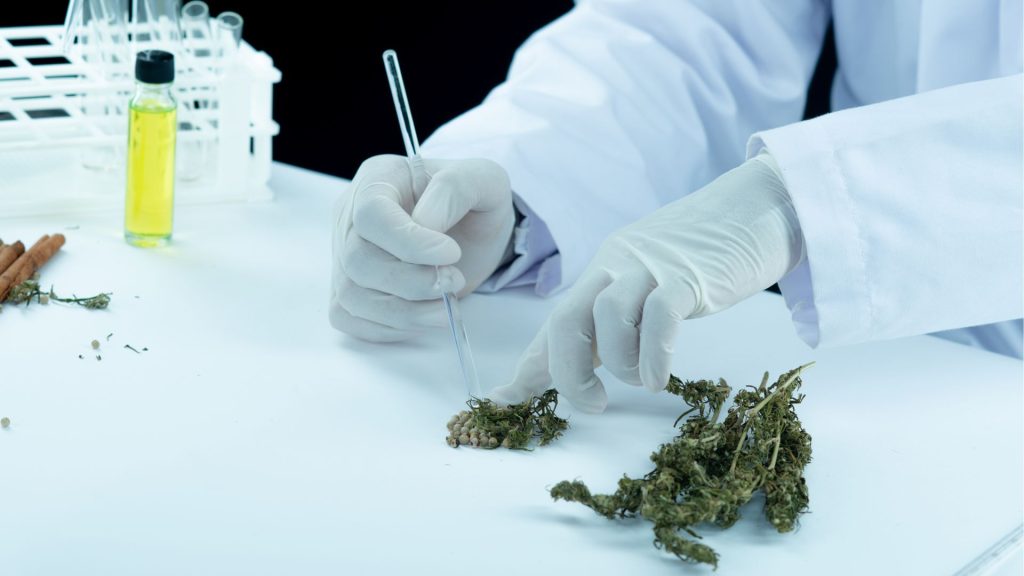
Natural marijuana comes from the cannabis plant (Cannabis sativa or Cannabis indica) and contains over 100 cannabinoids, with THC (producing psychoactive effects) and CBD (non-psychoactive, valued for medical benefits) being the most prominent..
Medical marijuana also comes from the cannabis plant, which is cultivated through a series of growth stages including germination, seedling, vegetative, pre-flowering, and flowering. The plant is grown in controlled environments using soil, hydroponics, or other mediums, with specific temperature, light, and humidity conditions optimized to maximize cannabinoid production, especially THC and CBD. After harvesting, the plants undergo drying and curing processes to preserve potency and quality. The final product is then trimmed, tested for safety and cannabinoid content, and packaged for medical use. This careful cultivation and processing ensure that medical marijuana products are safe, effective, and consistent for patients.
If you or someone you know is battling marijuana abuse, it’s best to seek professional marijuana addiction treatment from a recovery center with certified therapists and recovery staff who can provide personalized care, medical support, and evidence-based therapies to ensure a safe and effective path to lasting recovery.
What Is Synthetic Marijuana?
Synthetic marijuana, also called synthetic cannabinoids, “K2,” “Spice,” or “synthetic weed”, is made from artificial chemicals to produce effects that are similar to cannabis. These chemicals are sprayed onto plant material to look like natural cannabis and are sold as “legal” alternatives to marijuana.
Unlike natural cannabis, synthetic cannabis products don’t contain THC or CBD. Instead, they use various lab-made chemicals that mimic tetrahydrocannabinol (THC but are not found in the cannabis plant, which bind strongly to brain receptors. The production of synthetic forms of cannabinoid products is illicit and unregulated, which means their potency and ingredients can vary widely and are not reliably known.
How Do Synthetic and Natural Cannabinoids Work?
Both natural and synthetic cannabinoids interact with cannabinoid receptors in the brain (mainly CB1 and CB2 receptors), which are part of the endocannabinoid system involved in mood, memory, pain sensation, and more.
- Natural cannabinoids: THC partially activates cannabinoid receptors, resulting in the classic “high” associated with marijuana use.
- Synthetic cannabinoids: These chemicals often bind more strongly and fully activate the receptors, leading to much more intense and unpredictable effects. Using these products may also cause serious health issues in the future.
Effects of Natural Marijuana
The effects of natural marijuana on cannabis users typically include feelings of euphoria, relaxation, and altered sensory perception, as well as increased appetite. However, it can also cause lower blood pressure, anxiety, paranoia, or even psychosis and seizures in some individuals, particularly at high doses. Some users may experience withdrawal symptoms such as irritability, sleep difficulties, and cravings. When used responsibly, adverse effects are generally mild to moderate.
Medical cannabis is used to treat pain, nausea, epilepsy, and other conditions. While generally considered lower risk, the different effects of natural cannabis use may still lead to marijuana addiction, memory issues, lung problems when smoked, and mental health concerns, especially at high doses or in susceptible individuals.

Effects of Synthetic Cannabinoids
The effects of synthetic cannabinoids are typically more intense, unpredictable, and dangerous compared to natural marijuana. Severe side effects can include rapid heart rate, vomiting, agitation, confusion, hallucinations, paranoia, psychosis, and seizures.
There is also a higher risk of addiction and withdrawal symptoms. In some cases, adverse health effects of these drugs, such as acute kidney injury, heart attacks, and even death, have been reported. The unregulated production of these psychoactive drugs further increases the risk of contamination and overdose. If you or someone you know is struggling with dependence, professional K2 addiction treatment programs can provide the structured support needed for recovery.
Public Health Risks and Regulation
Synthetic marijuana is often marketed as a safe or legal substitute for cannabis, but it actually poses much greater health risks because of its unpredictable and high drug toxicity. In contrast, natural marijuana is becoming more regulated for both medical and recreational purposes, with clear information about its cannabinoid content and effects.
The use of synthetic cannabinoids is linked to a higher rate of emergency room visits, serious adverse effects, and even fatalities. In addition, synthetic cathinones, sometimes included in these products, increase the risk further because of their stimulant properties.
Final Thoughts from Radix Recovery
Both synthetic and natural cannabinoids affect the same brain receptors and can cause similar psychoactive effects, but synthetic marijuana is far riskier and less predictable.
If marijuana dependence is impacting your life, Radix Recovery in Cedar Rapids, Iowa, is here to help. Our personalized marijuana addiction recovery programs provide a supportive and compassionate setting where you can uncover the root causes of your dependence, develop healthier coping skills, and take meaningful steps toward regaining control and improving your well-being.