- Cedar Rapids, Iowa
Drug Detox Centers in Iowa
Radix Recovery delivers physician-led drug detox for opioids, fentanyl, benzodiazepines, stimulants, and polysubstance dependence. Every withdrawal is medically supervised around the clock by licensed nurses and clinicians. Continuous care that does not stop when the acute window closes.
- At A Glance
3–10
Average detox days
Varies by substance and use history
24/7
Medical supervision
RNs and physicians on-site
4
Substance protocols
Opioids, benzos, stimulants, polysubstance
Trusted in-network insurance partnerships
- Wellmark BCBS
- TriWest Healthcare Alliance
- Midlands Choice
- Cigna Healthcare
- Health Choice
- Medical Associates
- Severity Comparison
How withdrawal actually compares across substances
Opioid & Fentanyl Detox
Withdrawal from heroin, oxycodone, hydrocodone, and fentanyl is rarely life-threatening but intensely uncomfortable. Fentanyl complicates the timeline because it stores in fat tissue and releases gradually, extending acute withdrawal beyond standard windows.
Buprenorphine, lofexidine, clonidine, anti-nausea, sleep support.
1
Anxiety, sweating, runny nose
Restlessness sets in. Yawning, tearing, muscle aches begin. Vital signs monitored every two hours during the early window.
2
Peak acute withdrawal
Nausea, vomiting, diarrhea, severe muscle cramps, dilated pupils. Buprenorphine induction typically begins here. Comfort medications run continuously.
3
Symptoms begin to taper
Physical intensity reduces. Fatigue and emotional flatness take over. Sleep medications support rest. Counselors begin engagement work.
4
Mood stabilization, cravings management
PAWS symptoms can persist. MAT continuation planning happens here. Transition to residential treatment is coordinated.
Benzodiazepine Detox
Benzodiazepine withdrawal is the most medically dangerous detox we treat. Abrupt cessation can cause seizures, delirium, and life-threatening complications. Radix uses a slow, monitored taper never a cold stop.
1
Rebound anxiety, insomnia
Anxiety returns sharply. Sleep becomes impossible. Vital signs monitored hourly. Initial taper dose stabilized.
2
Peak acute risk window
Tremors, sweating, elevated blood pressure, hallucinations possible. Highest seizure risk. Continuous monitoring with seizure precautions in place.
3
Stabilization on taper
Symptoms fluctuate. Taper schedule reduces dose by approximately 10–25% every 2–4 days, individualized to response.
4
Slow completion, treatment planning
Some clients require taper completion to continue into residential. Protracted symptoms managed with non-benzo alternatives.
Stimulant & Meth Detox
Methamphetamine, cocaine, and prescription stimulant withdrawal is rarely physically dangerous but psychologically severe. Crash phase brings deep depression, suicidal ideation risk, and intense cravings that drive relapse.
Sleep support, antidepressant initiation, anti-craving protocols, mental health stabilization.
1
Extreme exhaustion, hypersomnia
The body collapses into recovery sleep. Clients may sleep 16-20 hours per day. Nutrition support and hydration are central.
2
Depression, anhedonia, cravings
Mood drops sharply. Pleasure response is blunted. Suicidal ideation must be screened for continuously. Mental health clinician engagement begins.
3
Cognitive fog, irritability
Concentration is impaired. Emotional reactivity is high. Structured low-stimulation programming supports nervous system regulation.
4
Cravings remain dominant
Stimulant cravings often persist longer than other substances. Residential treatment is strongly indicated to build relapse prevention skills.
Polysubstance Detox
1
Comprehensive screening and triage
Toxicology, vital signs, mental health screening. The most dangerous substance in the mix dictates monitoring intensity.
2
Layered withdrawal symptoms
Symptoms from multiple substances overlap. Protocols are combined and adjusted in real time. Higher rates of medical complications are anticipated.
3
Sequenced stabilization
Shorter-acting substances clear first. Benzo and opioid tapers continue in parallel. Mental health symptoms unmask and require treatment.
4
Full stabilization, treatment planning
Dual diagnosis assessment completed. Long-term medication plan established. Residential treatment placement finalized.
- Mild Discomfort
- Moderate
- Severe
- Life-Threatening
Opioids
Heroin, Oxy
Fentanyl
Synthetic Opioid
Benzodiazepines
Xanax, Klonopin
Methamphetamine
Stimulant
Cocaine
Stimulant
Polysubstance
Mixed Use
- Medication-Assisted Treatment
The medications that make detox survivable
Untreated withdrawal symptoms drive people back to use within hours of trying to quit. Radix uses evidence-based medication protocols matched to your specific substances – comfort is not a luxury, it is the clinical foundation of successful detox.
Partial Agonist
Buprenorphine (Suboxone)
Reduces withdrawal severity dramatically. Induction typically begins 24-48 hours after last opioid use. Can continue as maintenance therapy after detox completes.
Long-Acting Benzo
Diazepam Taper
Long-acting substitution allows controlled, gradual taper. Reduces seizure risk. Typical reduction of 10-25% every 2-4 days based on response.
Alpha Agonist
Lofexidine & Clonidine
Antagonist
Naltrexone (Vivitrol)
Adjunctive
Antidepressants & Sleep Support
Anticonvulsant
Phenobarbital & Valproate
- Your First 24 Hours
What your first day at Radix actually looks like
Hour 0 to 2
Arrival & Medical Intake
Vital signs, full medical history, toxicology screening. Withdrawal severity is scored using clinical assessment tools.
Hour 2 to 4
Physician Assessment
Attending physician reviews your case and prescribes the medication protocol matched to your specific substances.
Hour 0 to 2
First Medications, Settling In
Comfort medications begin. You meet your nursing team. Belongings inventoried. You rest in your private room.
Hour 0 to 2
Continuous Monitoring
Vital signs every 2-4 hours. Symptoms tracked on a structured scale. Medication adjusted in real time as withdrawal evolves.
- Why It Matters
Detoxing alone vs medical detox
Detoxing at home
- Seizure risk from benzo or alcohol withdrawal goes unmonitored
- Severe symptoms drive return to use within hours, often days
- No medication protocol means full intensity of withdrawal
- Underlying mental health symptoms unmask without support
- Dehydration, electrolyte imbalance, cardiac stress unmanaged
- No structured plan for what comes after the first week
vs
Medical detox at Radix
- 24/7 RN and physician oversight, vital signs every 2 to 4 hours
- Evidence-based medication protocols reduce withdrawal severity
- Seizure precautions and emergency response on-site
- Mental health screening from day one, dual diagnosis treatment
- Hydration, nutrition, sleep support managed by nursing team
- Direct, seamless transition into residential treatment
- After Detox
Drug detox is the start, not the finish
Medical Drug Detox
Acute withdrawal management with 24/7 nursing, physician protocols, MAT medications, and continuous monitoring.
Residential Treatment
At our Higley Mansion facility: structured living, daily therapy, skill-building, and peer support in a therapeutic community.
PHP & IOP
Step-down intensive outpatient programming: group and individual therapy, medication management, and real-world skill application.
Aftercare & Alumni
Ongoing recovery support: alumni groups, relapse prevention, outpatient therapy, and community connection after formal treatment ends.
- Serving all of Iowa
Drug detox for residents across Iowa
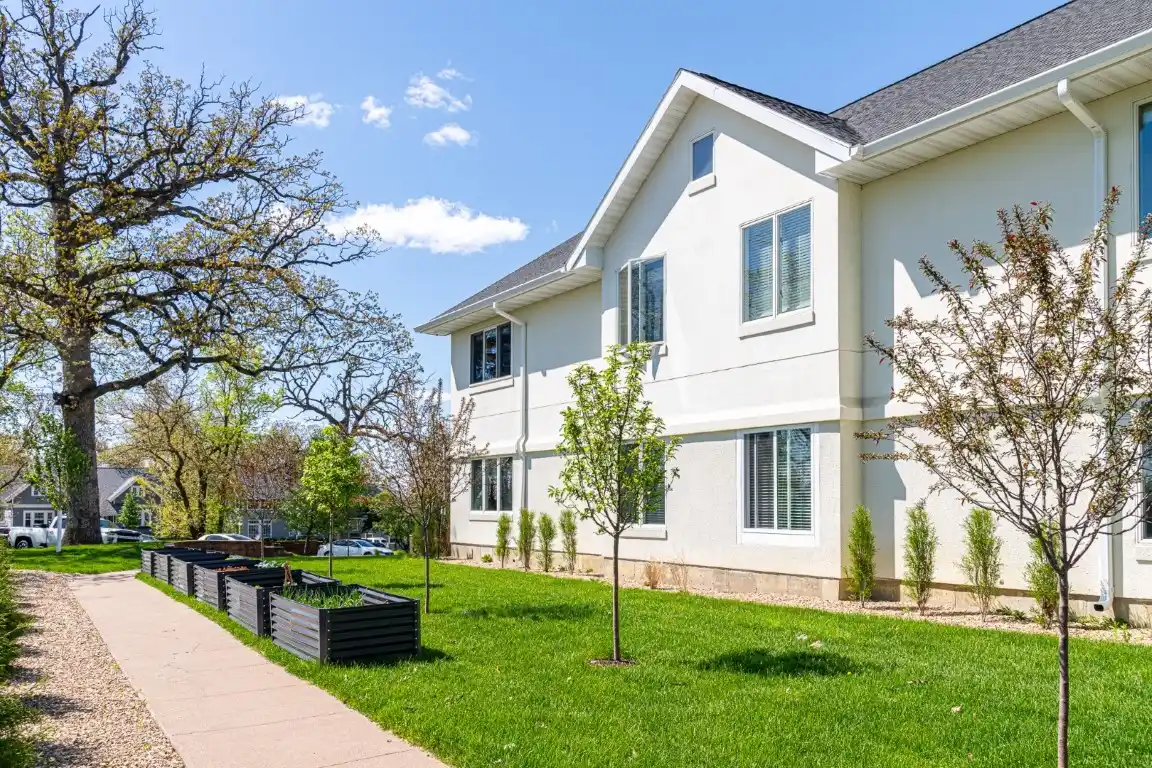
Radix Recovery is located in Cedar Rapids, but Our drug detox center serves residents from every part of the state. Many people searching for alcohol treatment centers in Iowa find that receiving care outside their home city creates an important separation from the environments, routines, and social circles tied to their drinking.
We regularly welcome residents from Des Moines, Iowa City, Waterloo, Cedar Falls, Davenport, the Quad Cities, Dubuque, Sioux City, Council Bluffs, and communities across Iowa. Our admissions team coordinates logistics and can often facilitate admission within 24 hours.
If you are looking for alcohol or drug rehab near Des Moines, our team is ready to walk you through your options.
- Eastern Iowa
Our Location
~30 min
~1.5 hrs
~1.5 hrs
~1.5 hrs
~10 min
- Central Iowa
~2 hrs
~2 hrs
~2 hrs
~1.5 hrs
- Northern Iowa
~1 hr
~1 hr
- Western Iowa
~3.5 hrs
~3 hrs
- Common Questions
Frequently asked questions about drug detox in Iowa
What types of addiction does Radix Recovery treat?
How much does addiction treatment cost in Iowa?
How long does rehab take at Radix Recovery?
Does Radix Recovery offer same-day admissions?
What is dual diagnosis treatment?
Does Radix Recovery accept Medicaid or Iowa Medicaid?
Can I visit Radix Recovery before admitting?
Does Radix Recovery serve residents from Des Moines and other Iowa cities?
- Ready When You Are
Take the first step toward lasting recovery
- 100% CONFIDENTIAL
- FREE ASSESSMENT
- NO COMMITMENT
- AVAILABLE 24/7