Alcohol Detox and Rehab in Iowa
Radix Recovery provides medically monitored alcohol detox and a full continuum of alcohol rehab services at our addiction treatment center in Iowa. Our physician-led detox program in Cedar Rapids uses evidence-based protocols, 24/7 nursing, and individualized medication management to keep you safe and stable through withdrawal. From detox through residential treatment, PHP, IOP, and outpatient care, every level of alcohol treatment is connected under one clinical team.
- Iowa DPH licensed
- LegitScript approved
- Joint Commission certified
In-network insurance coverage for alcohol detox
- Wellmark BCBS
- TriWest Healthcare Alliance
- Midlands Choice
- Cigna Healthcare
- Health Choice
- Medical Associates
Radix Recovery is in network with several major commercial insurance providers, which typically reduces your out-of-pocket costs for alcohol detox and ongoing treatment. Our admissions team completes a confidential benefits verification before admission so you understand your coverage and financial responsibility.
Why medical detox matters
Why medical supervision is critical during alcohol detox
Alcohol is one of the few substances where withdrawal can become life-threatening without medical oversight. When a person who has been drinking heavily stops abruptly, the central nervous system can become dangerously unstable. Seizures, delirium tremens, and cardiovascular complications are real risks that require immediate clinical intervention.
That is why Radix Recovery’s alcohol detox program begins with physician-led assessment and continuous medical monitoring. Our detox team does not use a one-size-fits-all approach. Every resident receives an individualized withdrawal management plan based on their drinking history, symptom severity, medical background, and co-occurring conditions.
Our medical alcohol detox in Cedar Rapids provides:
24/7 nursing with separate detox and residential teams
Radix maintains dedicated nursing teams for detox and residential care, ensuring alcohol withdrawal receives focused clinical attention around the clock.
Physician-directed medication protocols
Medications including benzodiazepines, anticonvulsants, beta-blockers, and supportive agents are used as clinically indicated to manage withdrawal symptoms, reduce seizure risk, and support physiological stabilization.
Continuous vital sign monitoring and clinical assessment
Structured reassessment throughout the detox process allows our team to adjust care in real time based on symptom progression.
Integrated mental health screening
Many people with alcohol use disorder have co-occurring depression, anxiety, PTSD, or trauma that may become more visible once alcohol is removed. Our clinical team screens for these conditions during detox so they can be addressed in ongoing treatment. Learn about our dual diagnosis treatment.
Withdrawal timeline
Alcohol withdrawal symptoms and the detox timeline
Alcohol withdrawal follows a general clinical progression, though the severity and duration vary based on how long someone has been drinking, how much they typically consume, and their individual health profile. Understanding the alcohol withdrawal timeline helps residents and families know what to expect during the detox process.
Your first day
What to expect during your first day of alcohol detox
The process begins with a single phone call. Our admissions team conducts a confidential assessment to understand your alcohol use history, current symptoms, medical background, and insurance coverage. This initial conversation determines whether medical alcohol detox is clinically appropriate and helps us coordinate timely admission.
Medication protocols
Medication protocols for alcohol withdrawal management
Alcohol withdrawal affects the central nervous system, and carefully selected medications are often essential for maintaining safety and stability during detox. At Radix Recovery, medication protocols are based on symptom severity, medical history, and continuous clinical assessment rather than a standard formula applied to every resident.
Commonly used medications during alcohol detox include:
- Benzodiazepines to reduce central nervous system hyperactivity, lower seizure threshold, and manage agitation during acute withdrawal.
- Anticonvulsants when additional seizure prevention is clinically indicated based on history or symptom presentation.
- Beta-blockers and cardiovascular agents to address elevated heart rate, blood pressure instability, and autonomic symptoms.
- Thiamine and nutritional supplementation to prevent Wernicke-Korsakoff syndrome and address nutritional deficiencies common in chronic alcohol use.
- Non-addictive supportive medications for managing nausea, insomnia, anxiety, and other discomfort during the withdrawal process.
Medication decisions are reviewed and adjusted throughout detox. Not every resident requires medication, but when alcohol withdrawal symptoms present medical risk, medication support is a critical part of safe detoxification.
After detox
What comes after alcohol detox
Detox alone is not treatment. It is the medical stabilization process that makes ongoing treatment possible. At Radix Recovery, alcohol detox is designed as the entry point into a full continuum of care, not a standalone service.
Most residents who complete alcohol detox transition directly into residential treatment, where they begin the deeper clinical work of addressing the behavioral patterns, mental health conditions, and life circumstances that contributed to their alcohol use.
Radix Recovery’s alcohol treatment continuum includes:
Residential inpatient treatment
24/7 structured care with individual therapy, group sessions, wellness programming, and dual diagnosis support. Typical stays follow 30, 60, or 90-day pathways.
Partial hospitalization program (PHP)
Comprehensive day programming that bridges residential care and outpatient treatment.
Intensive outpatient program (IOP)
Structured outpatient care three days per week, designed for residents stepping down from higher levels of care or those maintaining daily responsibilities.
Outpatient care and aftercare
Ongoing therapy, relapse prevention, peer support, and medication management including Vivitrol for alcohol use disorder when clinically appropriate.
Every level of care at Radix is connected through a single clinical team. Residents do not start over with new providers at each stage. This continuity is one of the reasons families across Iowa choose Radix Recovery for alcohol treatment.
Serving all of Iowa
Alcohol rehab serving all of Iowa
Radix Recovery is located in Cedar Rapids, but our alcohol detox and rehab programs serve residents from every part of the state. Many people searching for alcohol treatment centers in Iowa find that receiving care outside their home city creates an important separation from the environments, routines, and social circles tied to their drinking.
We regularly welcome residents from Des Moines, Iowa City, Waterloo, Cedar Falls, Davenport, the Quad Cities, Dubuque, Sioux City, Council Bluffs, and communities across Iowa. Our admissions team coordinates logistics and can often facilitate admission within 24 hours.
If you are looking for alcohol or drug rehab near Des Moines, our team is ready to walk you through your options.
Cedar Rapids
Des Moines
Iowa City
Waterloo
Cedar Falls
Davenport
Quad Cities
Dubuque
Sioux City
Council Bluffs
Ames
Marion
Ankeny
West Des Moines
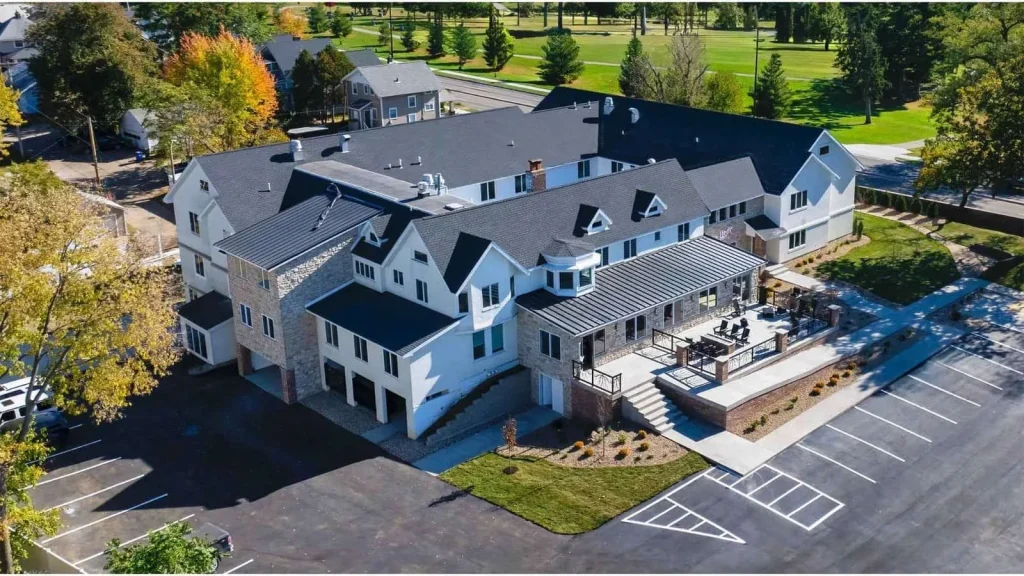
Our Brand New Rehab Facility In Iowa
Why Clients & Their Loved Ones
Trust Radix Recovery
Client Testimonials From Radix Recovery
Get started
Start alcohol detox today
If you or someone you love is struggling with alcohol use, waiting is the most dangerous option. Our admissions team is available now for a confidential conversation about your situation, insurance coverage, and next steps. Many residents begin treatment within 24 hours of their first call.
Frequently asked questions about alcohol detox in Iowa
How long does it take to detox from alcohol?
Alcohol detox typically lasts 3 to 7 days at Radix Recovery, though the timeline depends on individual factors including drinking history, amount consumed, and overall health. The acute withdrawal phase usually peaks between 24 and 72 hours, with most symptoms improving significantly by day 5. Your clinical team determines when you are medically stable to transition into the next level of care.
Is it dangerous to detox from alcohol without medical help?
Yes. Alcohol is one of the few substances where unsupervised withdrawal can be fatal. Seizures, delirium tremens, and cardiovascular instability are serious risks for people with moderate to severe alcohol dependence. Medical alcohol detox provides physician oversight, medication support, and continuous monitoring to manage these risks safely.
What medications are used during alcohol detox?
Medications commonly used during alcohol detox include benzodiazepines to reduce nervous system hyperactivity, anticonvulsants for seizure prevention, beta-blockers for heart rate and blood pressure management, and thiamine supplementation to prevent neurological complications. Medication protocols are individualized and continuously adjusted based on symptom severity.
Does insurance cover alcohol detox in Iowa? +
Most major commercial insurance plans cover alcohol detox and ongoing substance use treatment. Radix Recovery is in network with Wellmark BCBS, TriWest, Midlands Choice, Cigna, and other providers. Medicaid coverage is also accepted. Our admissions team provides a confidential benefits verification before admission.