Substance use is visible. It shows up in behavior, in relationships, in the wreckage of a life lived in pain. But what drives the use — the anxiety, the trauma, the depression underneath — is almost always invisible until someone looks for it.
At Radix, we look. Every intake includes a full psychiatric and psychological screening, because we believe treating addiction without treating what fuels it is just expensive relapse preparation.
of people in addiction treatment meet criteria for a co-occurring psychiatric disorder
of those with severe mental illness also struggle with substance use at some point
more likely to relapse when mental health conditions are left untreated during recovery
people who develop a substance use disorder also have at least one mental health condition
Dual diagnosis means finding and treating the conditions that were driving, hiding, or made worse by substance use.
The most frequently missed driver of substance use. People self-medicate low mood for years before anyone connects the two. At Radix, it is assessed and treated from intake onward.
Generalized anxiety, panic, social anxiety — the chronic activation that benzodiazepines and alcohol temporarily quiet, then systematically worsen over time.
Single-incident or complex trauma. Hyper-vigilance, nightmares, dissociation. Trauma is not a mood — it is a nervous system locked in self-protection mode.
Mood cycling between elevated and depressive states. Manic episodes drive risky use; depressive episodes drive numbing. Standard SUD programs miss this constantly.
Intrusive thoughts and ritualized behaviors share neurological roots with addictive patterns. Missed in most SUD treatment.
Untreated attention disorders frequently lead to self-medication with stimulants, alcohol, or cannabis. Treatment requires careful medication strategy.
Comprehensive screening across mood, anxiety, trauma, psychotic symptoms, and cognitive function. Substance history mapped alongside mental health history.
As substances clear, conditions become visible that were previously masked. Assessment is repeated as the picture becomes clearer.
Once stabilization is firm, deeper history work begins. Trauma timelines, family mental health history, and developmental factors are explored.
Diagnoses are not fixed. Plans are reviewed weekly and adjusted as our understanding deepens. Recovery is iterative, not linear.
Traditional treatment treated addiction first and mental health “later.” That approach has decades of failure data behind it. People who detox without addressing depression relapse fast.
The Radix model treats both at the same time, in the same program, by clinicians trained to hold both lenses at once.
No referral out, no parallel programs, no fragmented care
Daily case coordination, shared treatment philosophy
Psychiatric medication started, adjusted, and stabilized during your stay
EMDR and trauma-informed work integrated, not held back for "later"
Clients in integrated programs are roughly twice as likely to complete treatment compared to sequential models.
One-year relapse rates are significantly lower when mental health treatment runs alongside SUD care.
Depression and anxiety symptoms resolve faster when treated alongside the substance use masking them.
Integrated treatment graduates are far more likely to stay engaged with outpatient care after discharge.
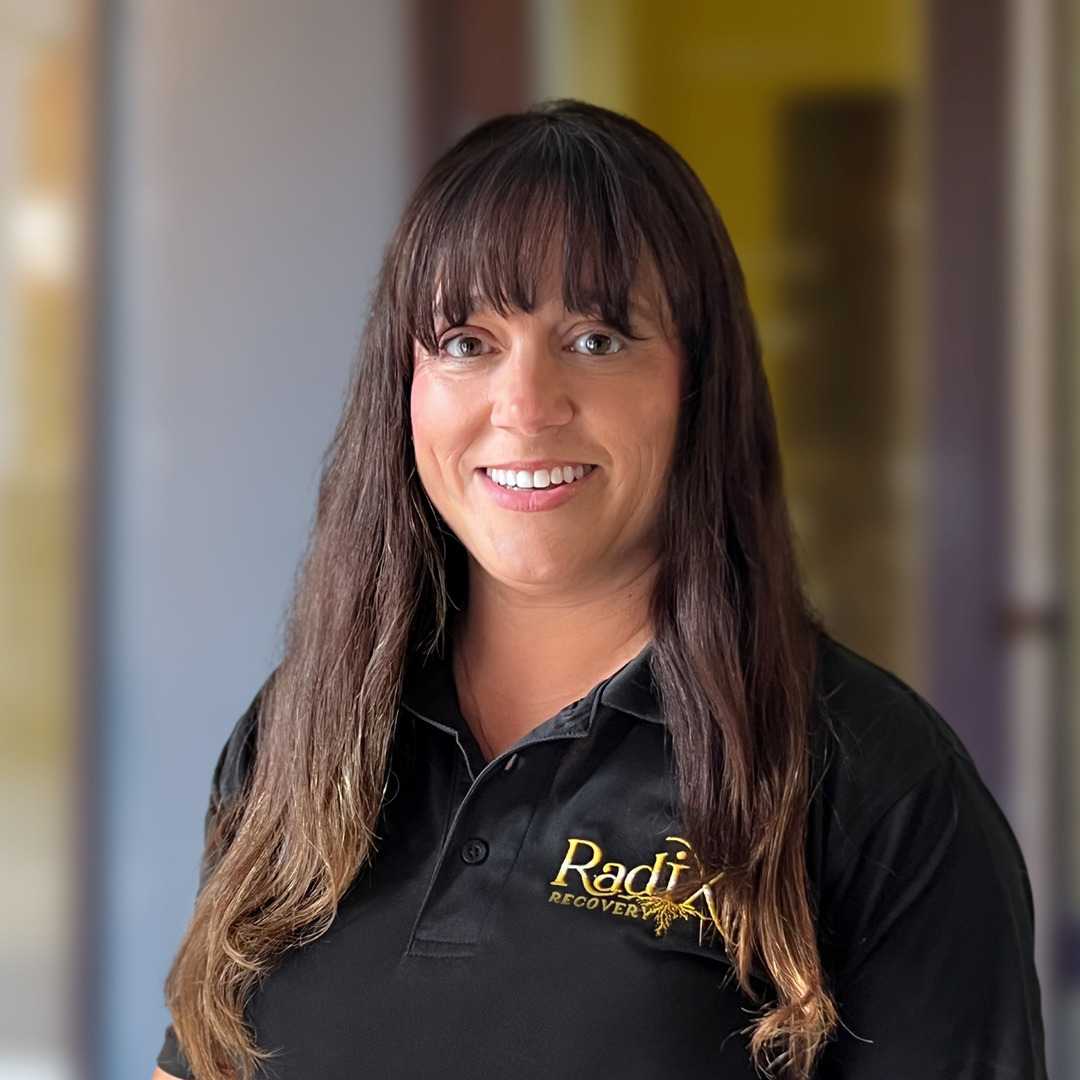
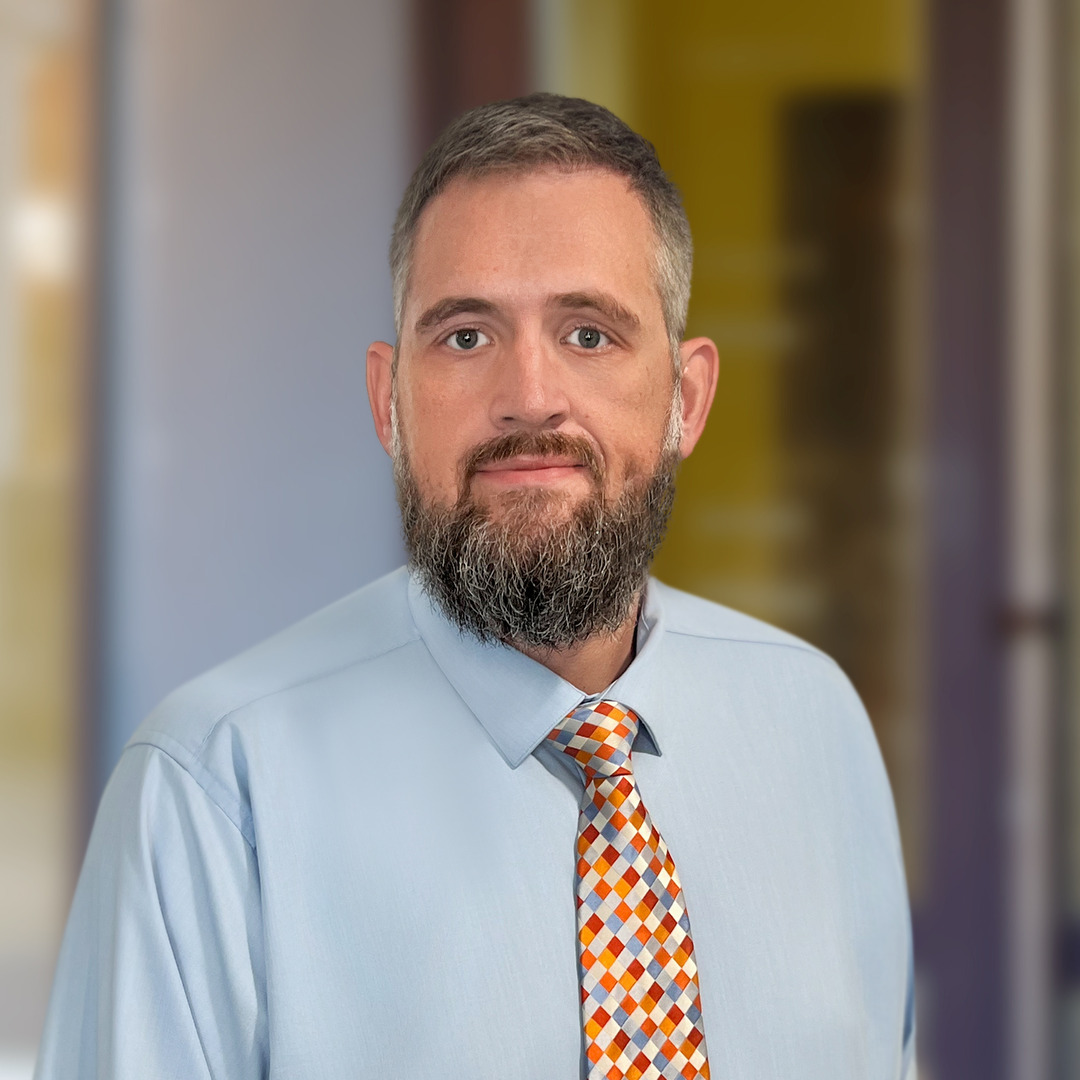
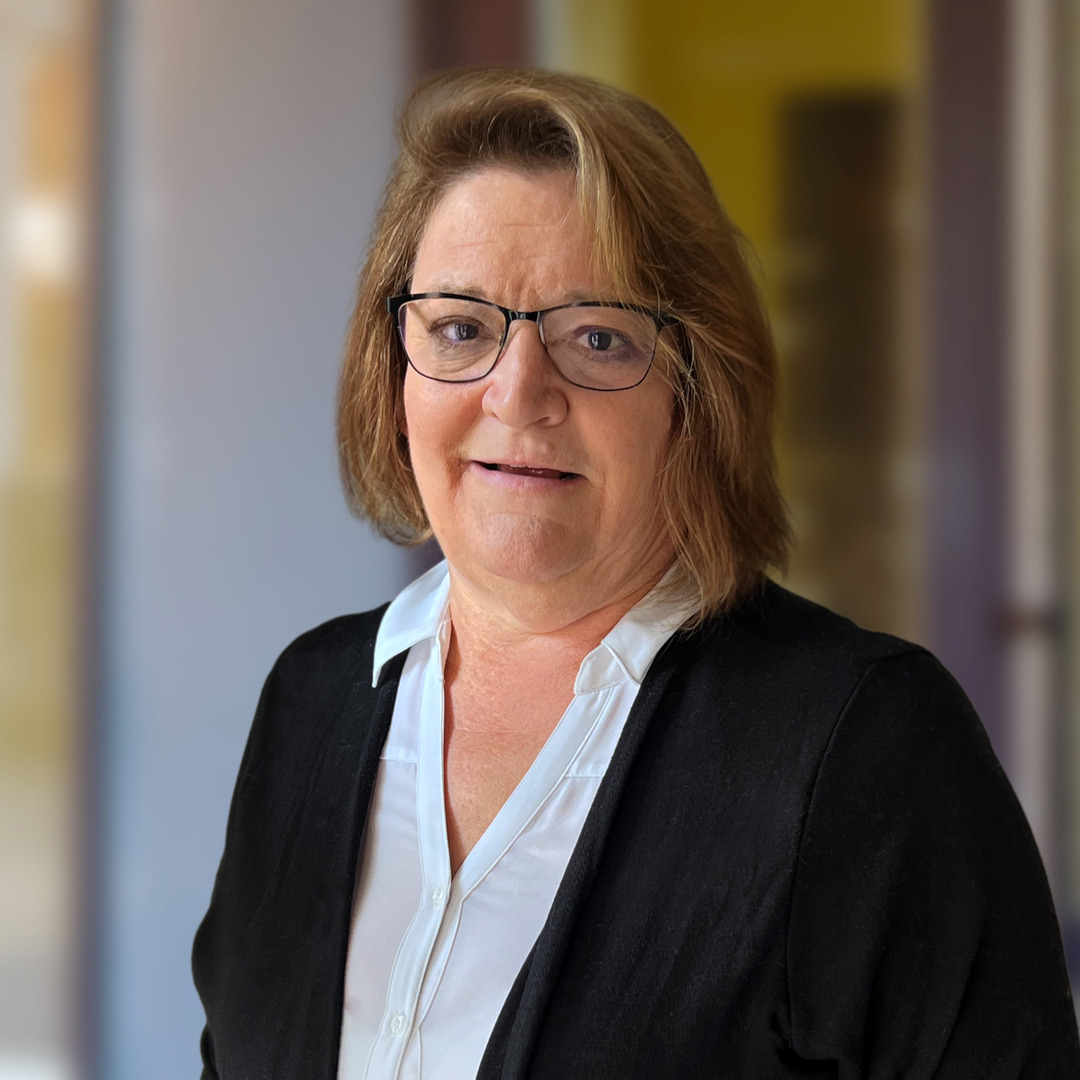
Dual diagnosis care is only as strong as the clinical team behind it. Radix is built on a multidisciplinary group with deep experience treating co-occurring disorders.
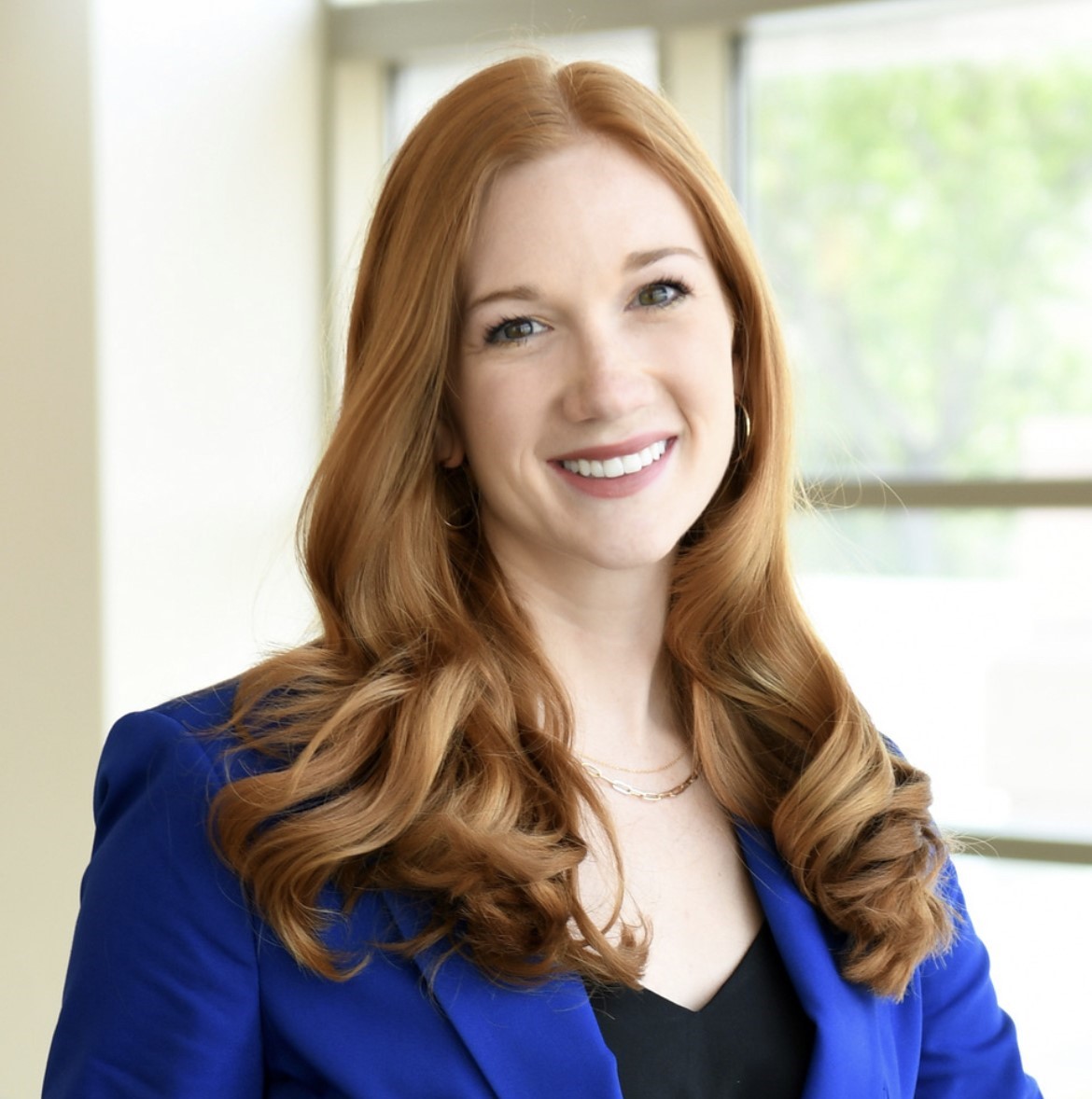
Courtney Brennaman, PhD, is a licensed psychologist passionate about profound recovery through quality care which drives Radix Recovery.
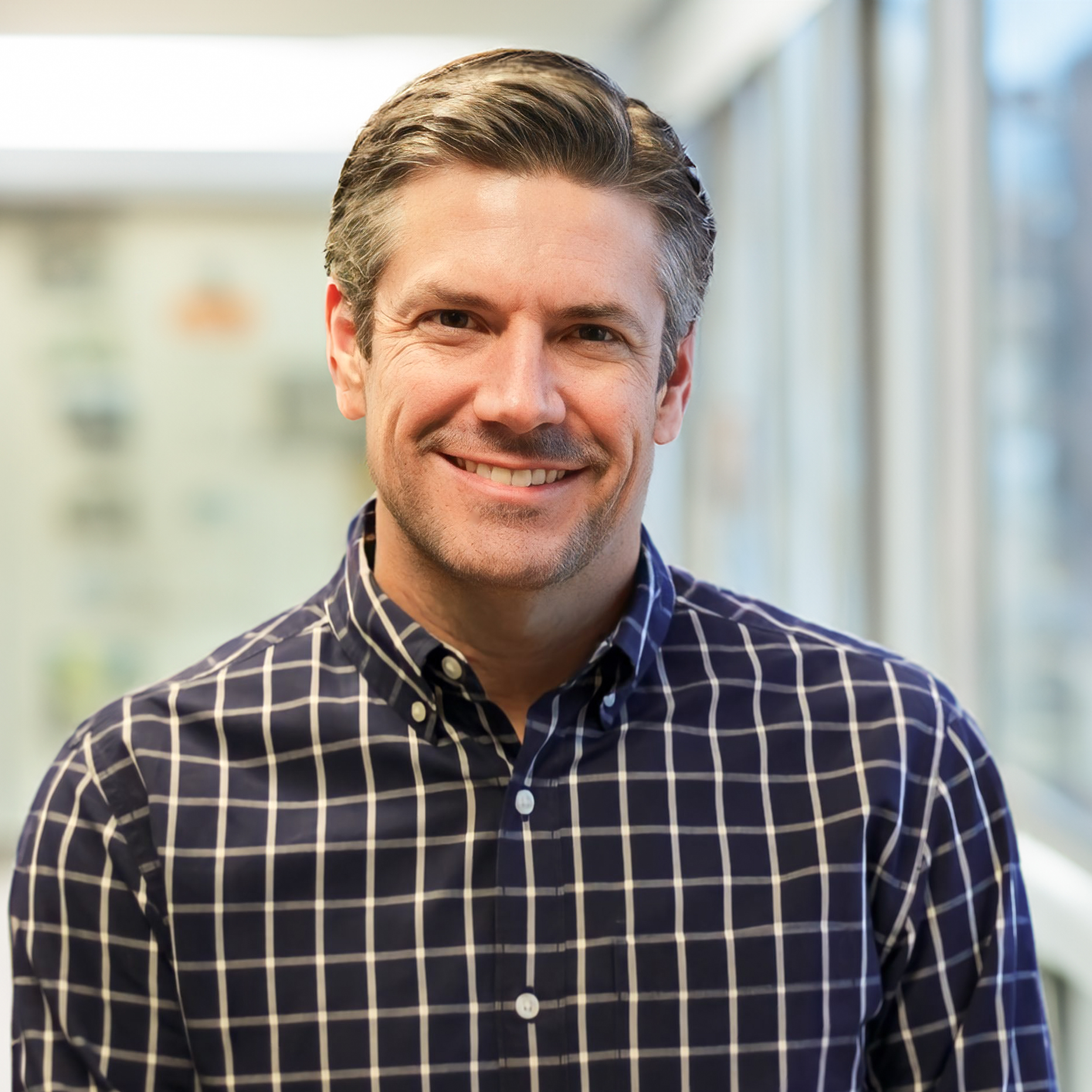
Dr. Christenson is a founding partner of Radix Recovery and has helped develop the services and build the team from the ground up.
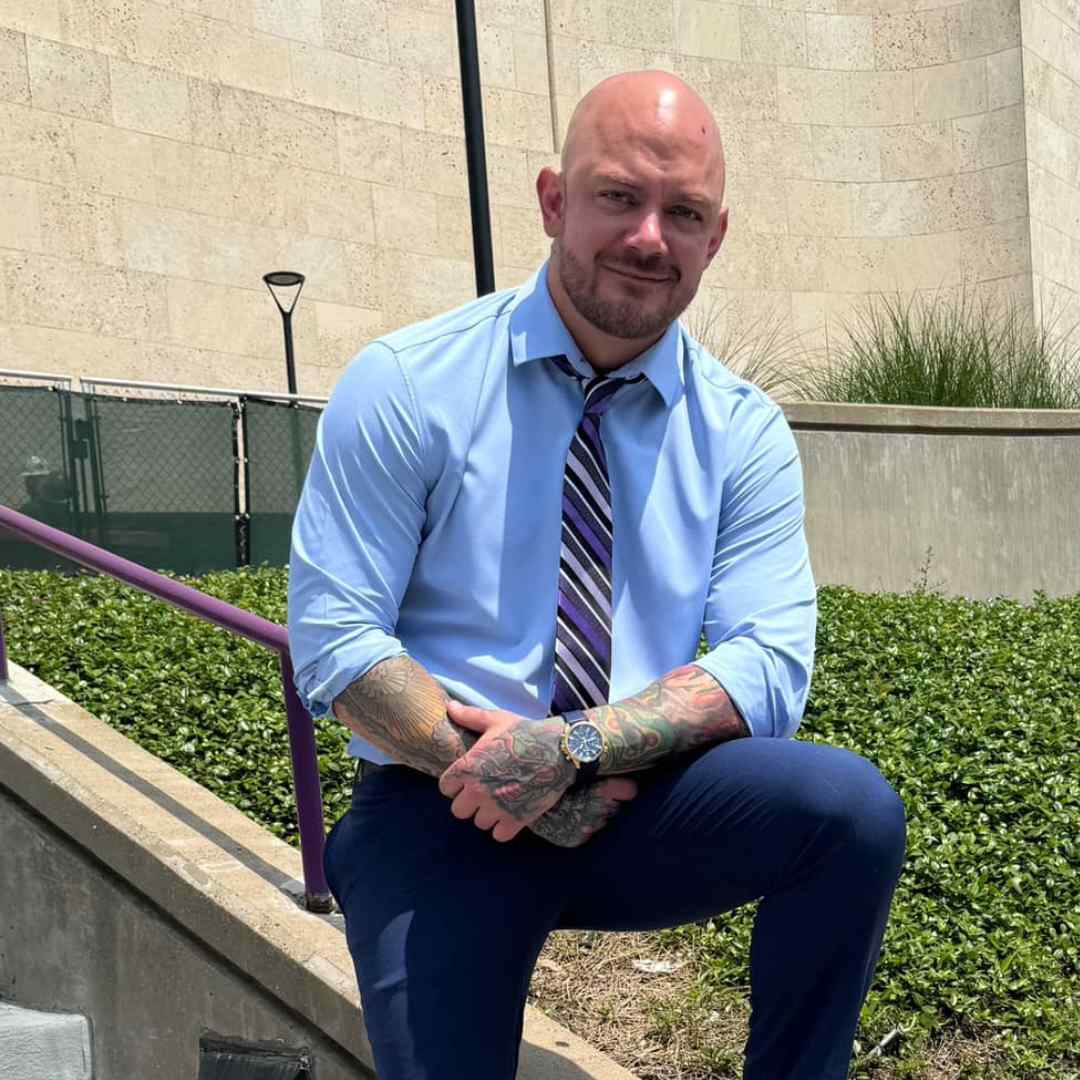
Founding member, bestselling author & TEDx Speaker bringing expertise in digital marketing & messaging for addiction with over 8 years of recovery.
Kayla leverages more than a decade of behavioral health leadership to design evidence-based addiction and mental health programs that deliver structured, compassionate, trauma-informed care.
Vanessa Christenson is a NASM Certified Personal Trainer, Nutrition Coach, and certified Life Coach specializing in behavioral change and mindset development.
Holding an MA in Marriage & Family Therapy, Shannon combines her clinical expertise and leadership to help individuals access evidence-based care.
With a master’s in accounting and over a decade of experience across industries, Joel brings financial insight and a results mindset to Radix Recovery.
Rachel Fry, RN, began her career as an emergency and psychiatric nurse and has become a seasoned healthcare leader with more than 30 years of experience.