Residential treatment in Cedar Rapids designed for people who need more than a few sessions, and are ready to do the real work.
Radix Recovery offers residential inpatient rehab in Cedar Rapids, Iowa, with 30, 60, and 90-day structured pathways. Our program combines 24/7 clinical supervision, evidence-based therapy, dual diagnosis treatment, and medication-assisted treatment in a fully restored historic facility. Most major insurance plans accepted. Same-week admissions available. Call (319) 270-2890.
Clinically guided, not insurance-driven
Iowa's largest residential program
Licensed staff on-site around the clock
Most residents admitted within the week
Inpatient rehab, also called residential treatment, is the level of care where someone lives on-site at a treatment facility and receives structured support 24 hours a day.
It sits above outpatient programs like PHP and IOP in intensity, because the recovery environment itself becomes part of the treatment. At Radix, residents wake up, eat, work through therapy, and rest inside the same supportive setting, with licensed clinical staff present around the clock.
It helps to be clear about what residential treatment is not. It is not a detox hold, and it is not a hospital stay. Medical detox stabilizes the body during withdrawal, and a hospital treats acute medical events. Residential inpatient is the therapeutic program that comes after stabilization, where the real work of recovery happens: rebuilding daily routines, processing what drove the addiction, and learning the skills that hold up after discharge. Residents do not simply wait out a clock here. They live, learn, and heal in a place built to help them rebuild from the root up.
It can be either. Rehab is a general term for addiction treatment delivered at different levels of intensity. Inpatient means the person lives at the facility and receives around-the-clock support. Outpatient means they live at home and travel in for scheduled sessions. The right level depends on clinical need, not preference alone.
If any of these sound familiar, a conversation with our admissions team costs nothing. We will be straight with you about what level of care fits your situation.
A clinically serious program inside a genuinely beautiful place. Here is the environment, the pathways, and what sets Radix apart.
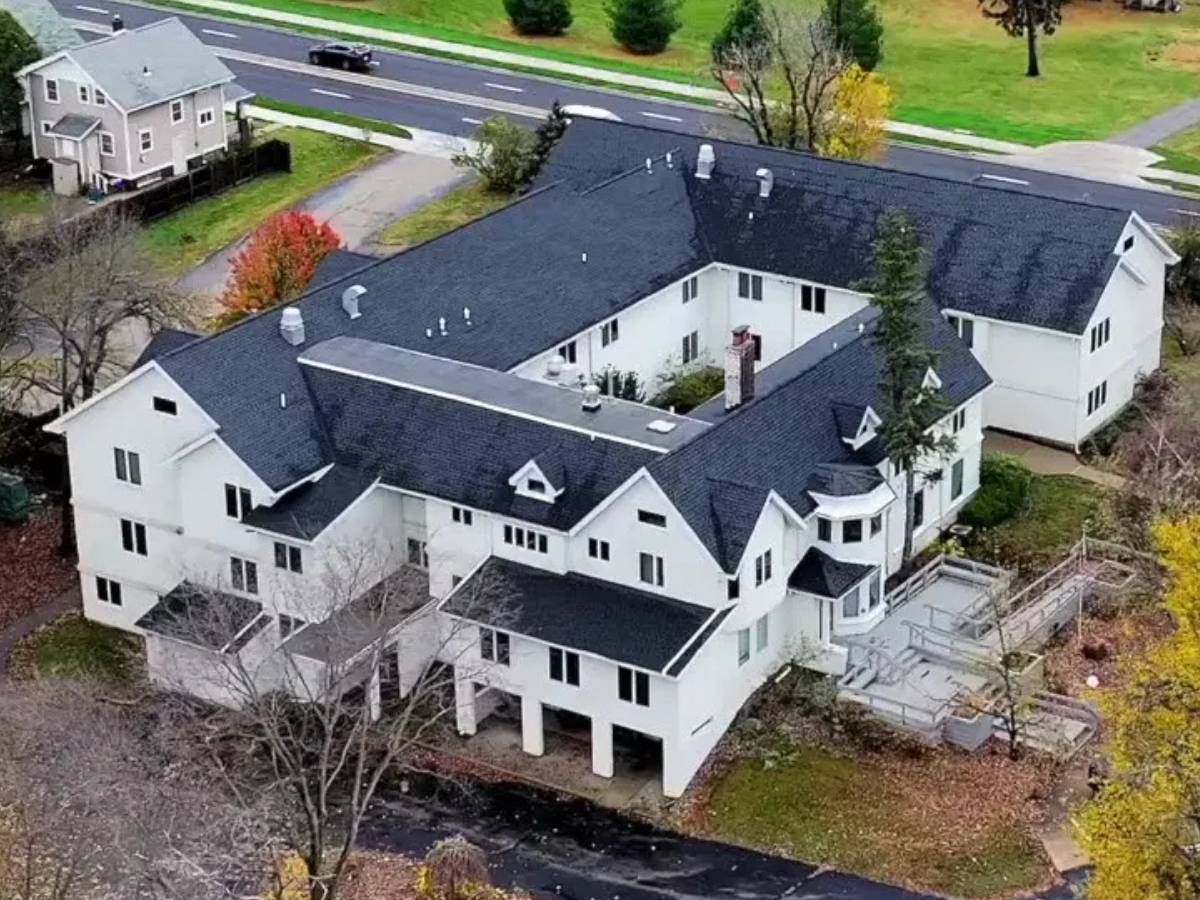
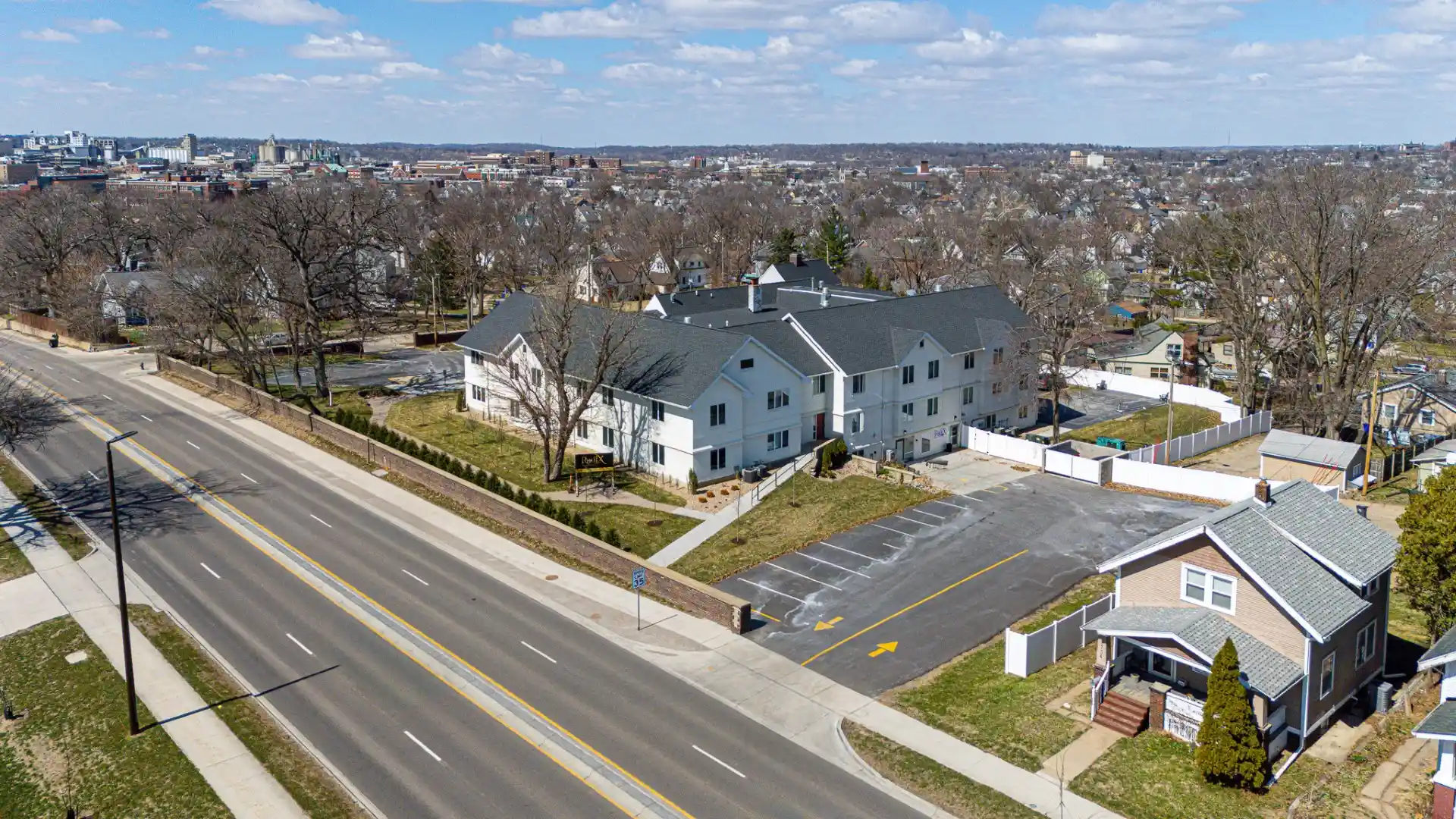
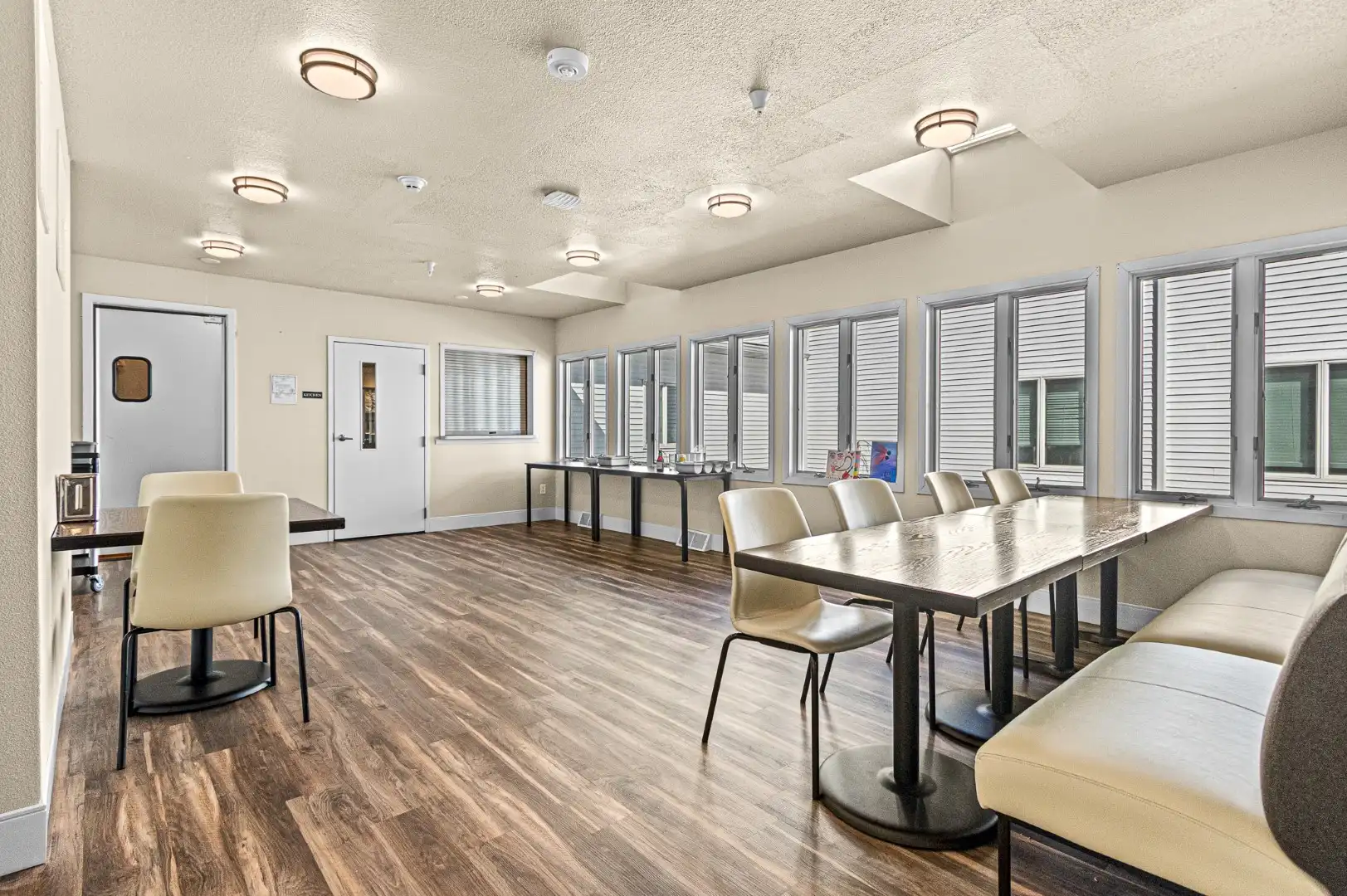
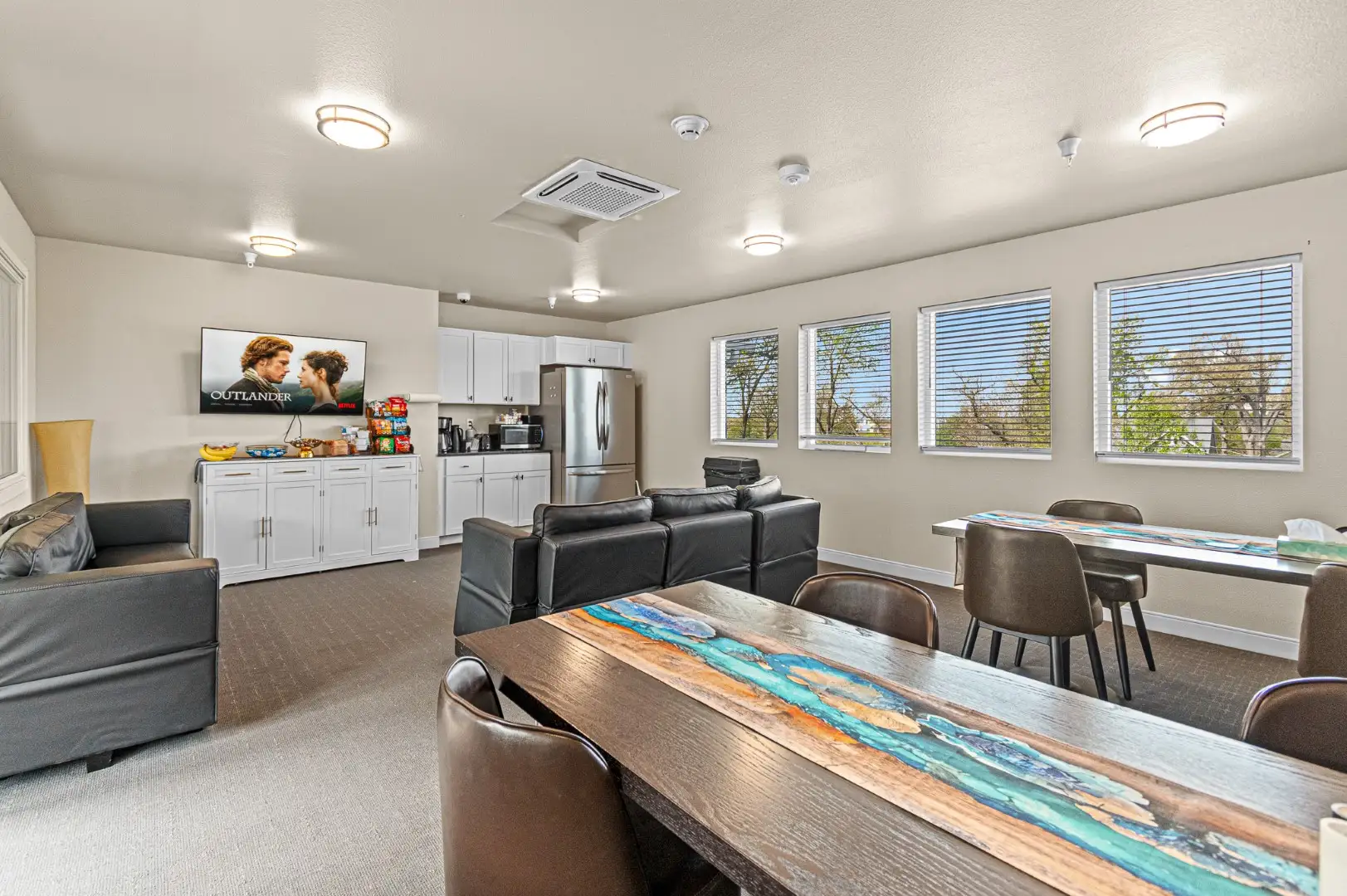
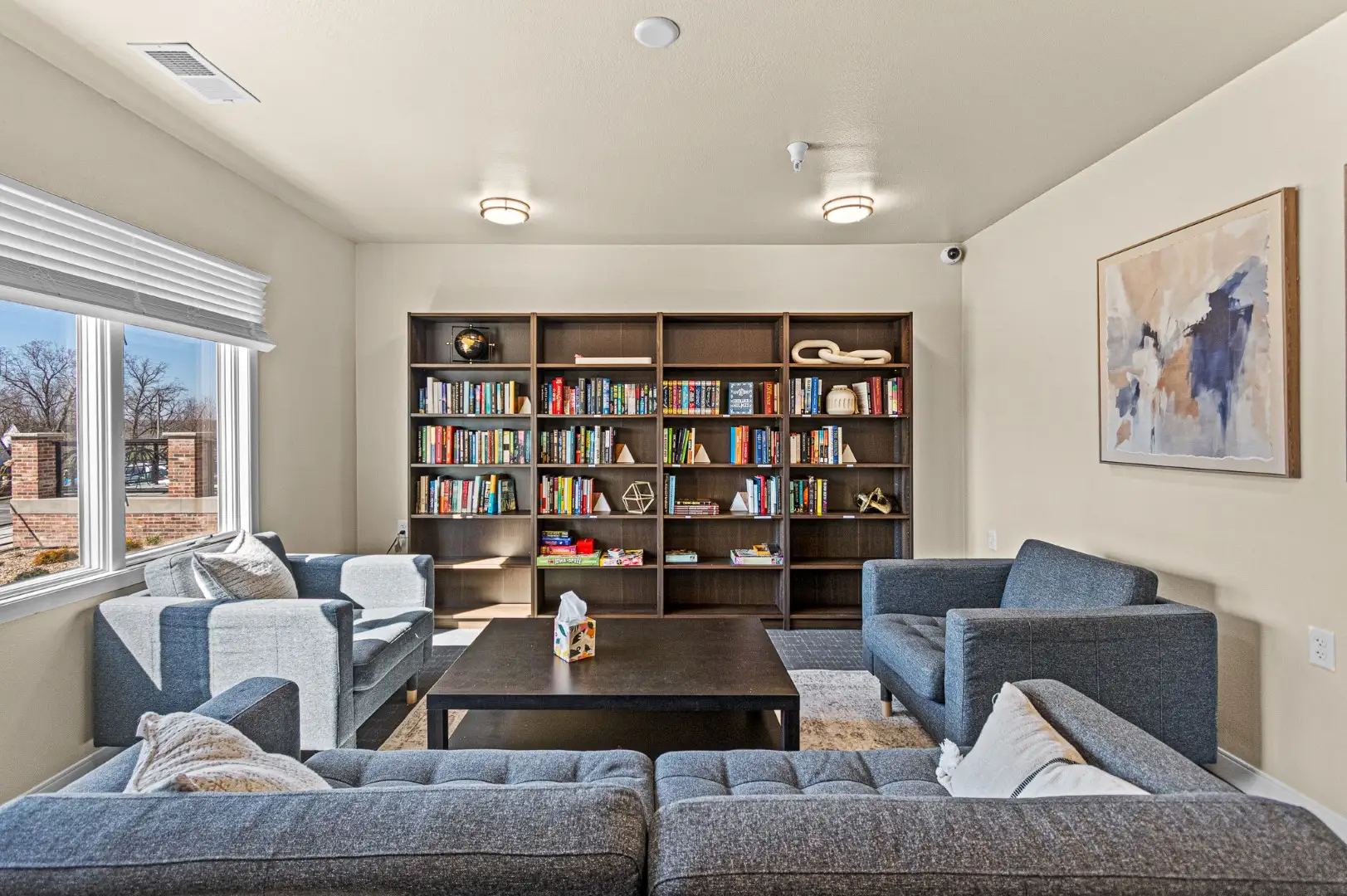
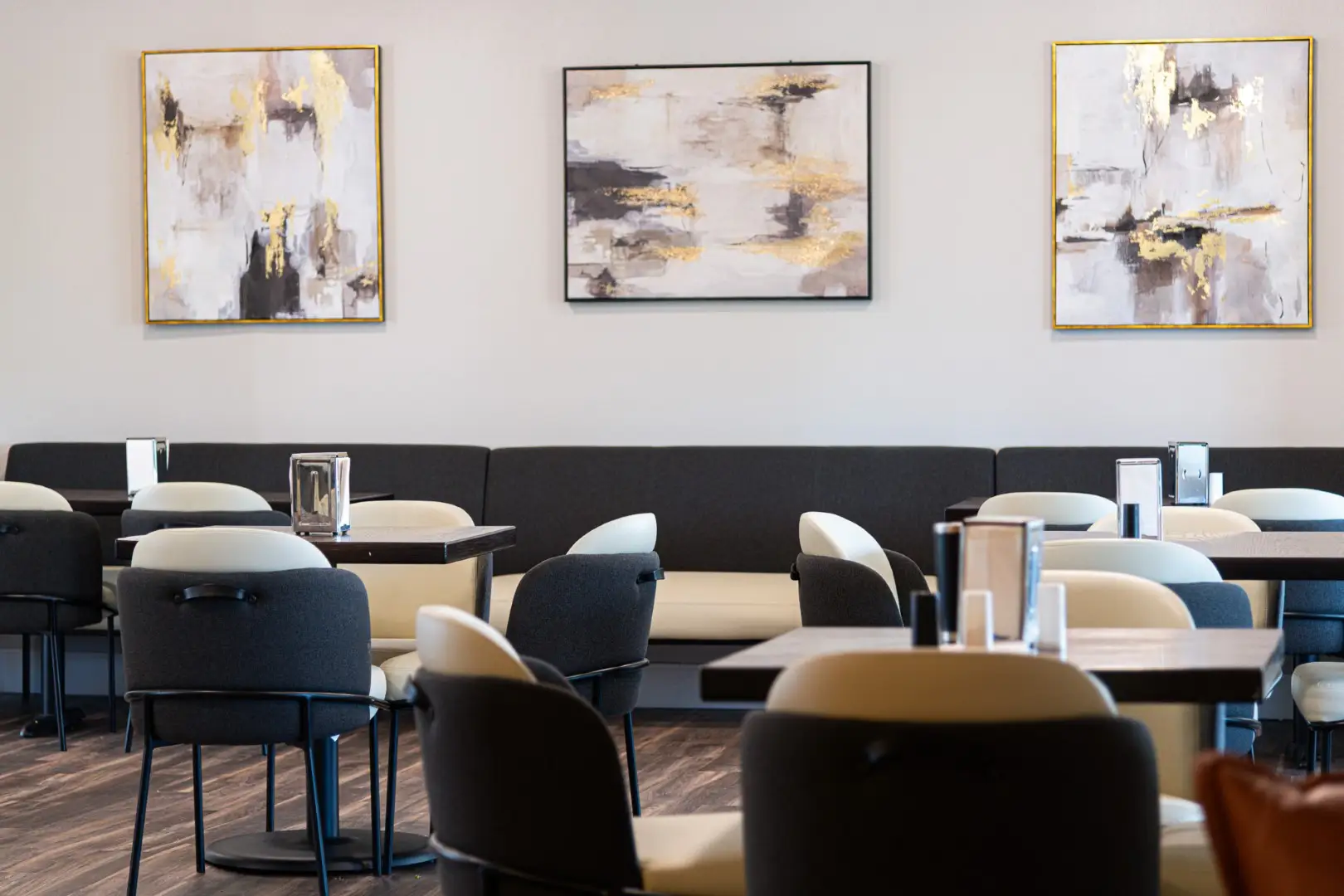
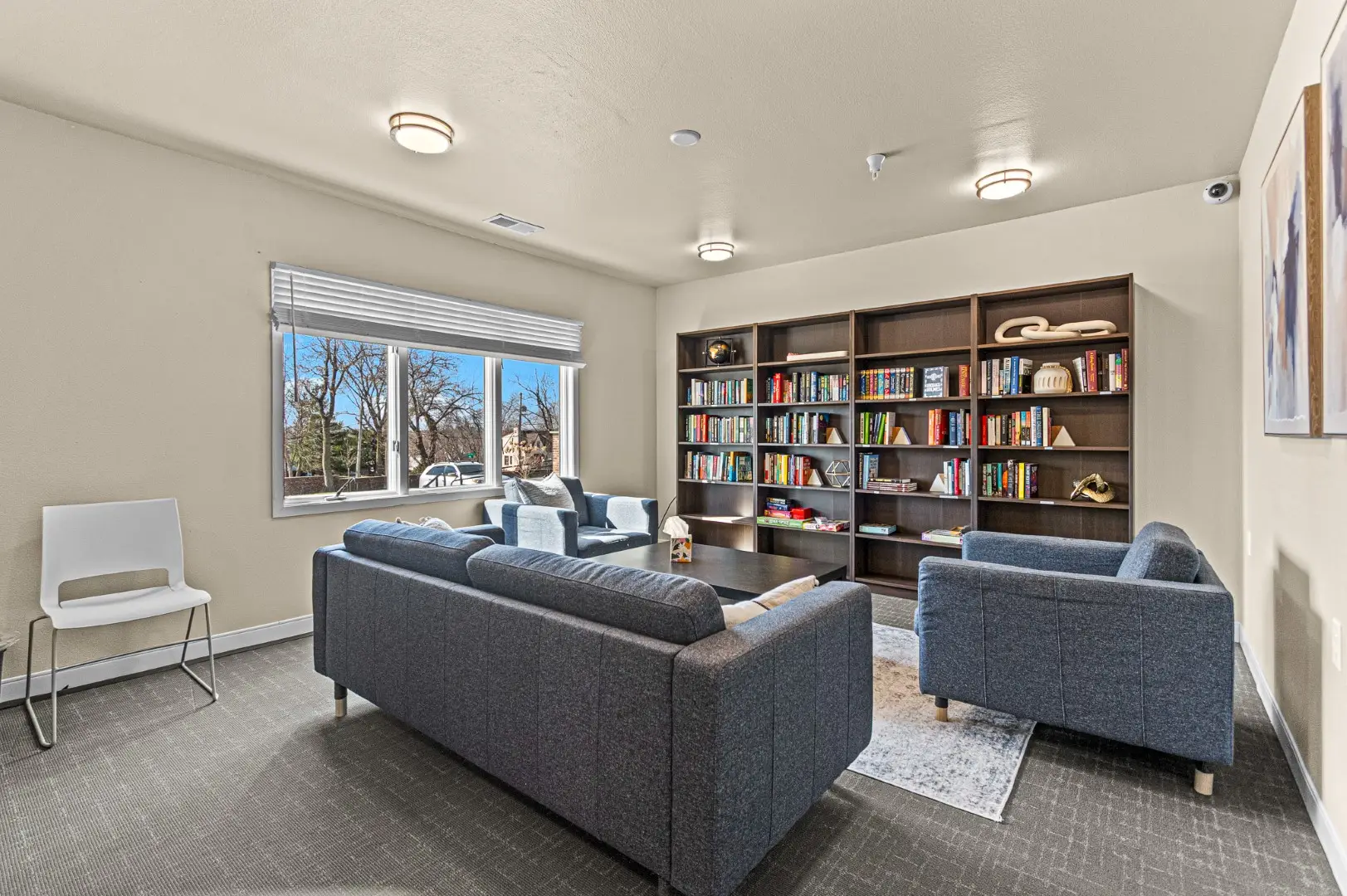
Radix is housed in the Higley Mansion, a fully restored 1920s historic landmark in Cedar Rapids. It is deliberately not institutional. This is a genuinely beautiful space that communicates care from the moment someone walks in. The setting includes 68 beds across private and semi-private rooms, with common areas designed for community rather than confinement.
Clinically guided and individually tailored, never set by the minimum an insurance plan will authorize. Each stage builds on the one before it.
days
days
days
Length is determined by a resident’s history, severity, and clinical progress, not by minimum insurance authorization. Research from the National Institute on Drug Abuse indicates that longer treatment durations are generally associated with significantly better long-term outcomes.
Six things you will not find stacked together at most programs in Iowa.
A full continuum under one roof, with no facility transfer as care steps down.
Dual diagnosis integrated from intake, so mental health is treated alongside addiction.
MAT on-site: Suboxone and Vivitrol as part of the clinical plan.
Daily structure that builds a recovery identity, not just manages withdrawal.
Small, consistent teams, so residents know their care team by name.
68 beds, fully staffed and actively admitting, Iowa’s largest residential program.
Residential care is not one setting. The two sub-levels differ in how much structure and clinical oversight they provide, and the right one depends on your actual clinical picture.
More autonomy, still fully residential
Graduated independence, not reduced care. The right level for the right person at the right stage.
Radix’s clinical team conducts a thorough ASAM-informed assessment at intake and recommends the appropriate residential intensity based on your actual clinical picture, not on what is simplest to bill. If your needs shift during treatment, your level of care is adjusted accordingly. The goal is the right level of support at every stage, not a one-size-fits-all program.
The top question people ask before admission is simple: what will I actually be doing all day? Here is the rhythm. Purposeful, not institutional.
Schedules are individualized. Not every resident attends the same sessions. Our clinical team tailors daily programming to each resident’s treatment goals, history, and progress. This is structure that creates safety for people who have been living in chaos.
7:00 – 10:30 AM
Morning group therapy (CBT-based: coping skills, relapse prevention, emotional regulation).
12:00 – 1:00 PM
2:30 – 5:30 PM
Builds distress tolerance, emotional regulation, and interpersonal effectiveness, all critical for sustainable recovery.
Trauma-focused processing, essential for the many people in treatment who carry unresolved trauma driving substance use.
Builds the intrinsic motivation and self-directed commitment to change that sustains recovery when clinical structure steps away.
Minimum twice weekly with a licensed therapist who stays consistent for the full length of your stay.
Peer learning, community building, and accountability with people who genuinely understand the experience.
Clinical sessions that bring the people closest to recovery into the work. See the family involvement section below.
Addiction rarely travels alone. Data from SAMHSA indicates that a significant majority of people in substance use treatment also live with a co-occurring mental health condition.
When only the addiction is treated, the condition underneath keeps pulling a person back. At Radix, mental health screening happens on admission, not as an afterthought once treatment is already underway, and our licensed clinicians are trained in co-occurring mental health treatment.
Treating the addiction and the condition behind it, at the same time, is what gives recovery something solid to stand on.
Buprenorphine and naloxone
Reduces cravings and withdrawal symptoms.
Extended-release naltrexone
Blocks the reinforcing effects of use and reduces craving signals.
MAT does not mean trading one dependency for another. Used correctly, with appropriate tapering and clinical oversight, these medications give the brain the stability it needs to actually benefit from therapy.
Recovery holds better when the people closest to it understand the work. Family involvement at Radix rests on four pillars.
Structured, therapist-facilitated, and clinical, not casual check-ins.
Structured, therapist-facilitated, and clinical, not casual check-ins.
Structured, therapist-facilitated, and clinical, not casual check-ins.
Structured, therapist-facilitated, and clinical, not casual check-ins.
Not every resident arrives with a safe or supportive family system, and we say that plainly. For those who do not, Radix helps build a chosen family through community, so no one has to rebuild alone.
Private accommodations and a discreet admissions process.
HIPAA-compliant care, with staff trained to professional confidentiality norms.
Limited, clinically supervised access to work communications during designated windows, never the default.
Telehealth capability for critical professional obligations where clinically appropriate.
Executive-focused group programming alongside professional peers
Physician Health Program referrals and compliance integration for licensed professionals.
Step one
Medically supervised stabilization during withdrawal.
Step two
24/7 on-site therapeutic care, the focus of this page.
Step three
Full clinical days with evenings off-site as you step down.
Step three
Structured therapy that flexes around work and life.
Step three
Continued support as independence grows.
Step three
Community, events, and check-ins for the long haul.
The first 90 days after leaving residential treatment are statistically the highest-risk period. So we build the aftercare plan during treatment, not in the last 48 hours before discharge.
Every connection above is arranged before you leave, so the move out of residential care is a step down in support, never a drop off the edge of it
beds on-site, Iowa’s largest residential program. (Confirm current bed count with Radix operations.)
Our Location
~30 min
~1.5 hrs
~1.5 hrs
~1.5 hrs
~10 min
~2 hrs
~2 hrs
~2 hrs
~1.5 hrs
~1 hr
~1 hr
~3.5 hrs
~3 hrs
The most-searched question about inpatient rehab has a reassuring answer, and the fastest way to know your exact coverage is to let us check it for you.
The Mental Health Parity and Addiction Equity Act requires most plans to cover substance use treatment at the same level as medical care.
Most major commercial insurers cover residential inpatient, typically with pre-authorization.
Iowa Medicaid, and Hawki for families and children, covers inpatient rehab for qualifying residents.
Out-of-pocket costs vary by plan. We explain them upfront, with no surprise billing.

June 2026
Radix Recovery clinical leadership